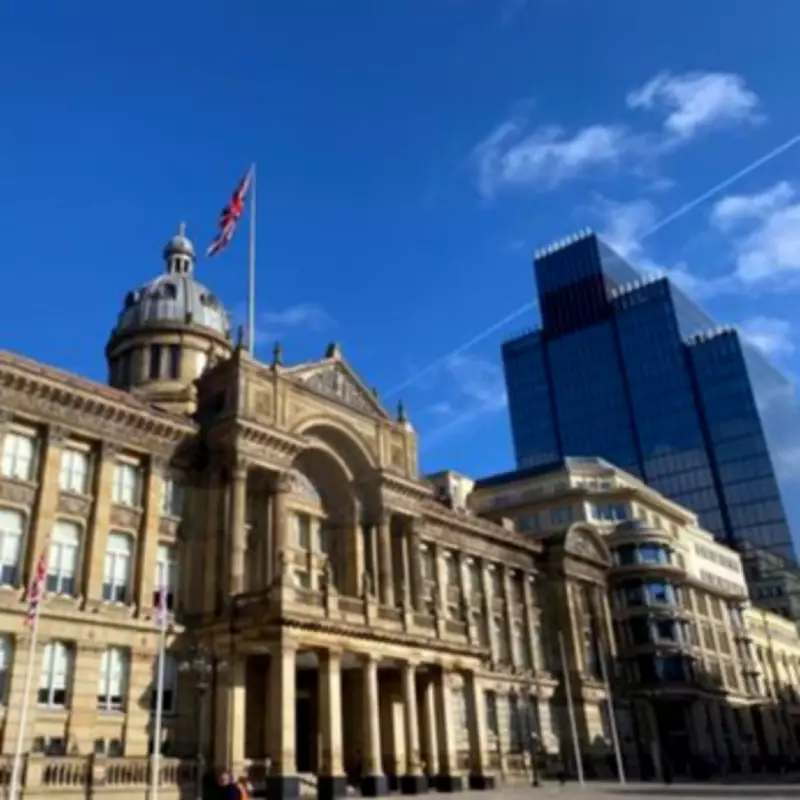
Birmingham City Council has ended up with no single party in control after a dramatic day of local election results. Reform UK, the Greens, Local Conservatives, Labour, Liberal Democrats, and Independents all secured seats in a chaotic outcome for the city. However, none of them obtained enough seats to run the council alone, signaling a turbulent few days ahead.
Current Seat Breakdown
Reform UK now holds 22 seats, up from zero. The Greens have 18 seats, a gain of 16. The Conservatives hold 16, a loss of six. Labour also has 16 seats, a significant drop of 35. The Liberal Democrats remain unchanged at 12 seats, while Independents have 13 seats.
What Happens Next?
Parties have been reluctant to discuss their next moves, but the process over the next two weeks is clear. All groups and parties will meet over the weekend and on Monday to elect a leader from among their number. Once a leader is chosen, they will notify the city council.

In the days that follow, leaders will meet to negotiate coalition ideas and offers. Their deadline is May 19, when the new city council will convene for the first time. The meeting will begin with the election of a new chairman, the Lord Mayor. Zaker Choudhry, the Liberal Democrat councillor for South Yardley, has been pre-selected for this role, which is expected to be formally approved.
Coalition Proposals
Group leaders will then present their own proposals to run the council, either as a majority or minority coalition. If no agreement is reached, the council will adjourn and meet again. In the meantime, the council will be overseen by Managing Director Joanne Roney and her executive team, supported by government-appointed commissioners led by Tony McArdle.
This sets the stage for a chaotic few days and weeks of negotiations, offers, and counter-offers until a coalition emerges to run the city. Every possibility exists, from a right-wing coalition involving Reform UK, Conservatives, and Independents, to a progressive group featuring the Greens, Labour, Liberal Democrats, and some Independents. However, none are likely to exist in harmony, given the rivalries and differences of opinion across every group.