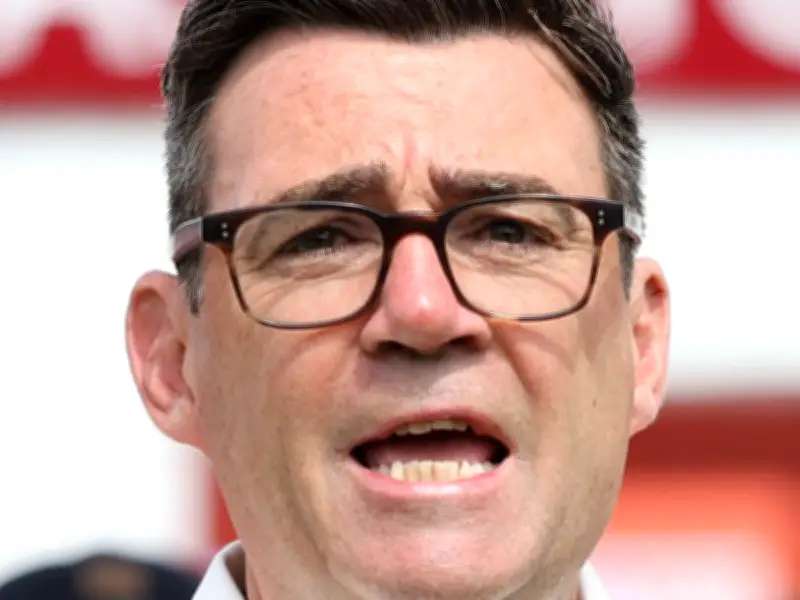
Brits are being warned to brace for two potentially major tax changes if Andy Burnham becomes Prime Minister, following the resignation of Keir Starmer and Burnham emerging as the overwhelming favourite to replace him.
Two Key Tax Measures Under Scrutiny
Antonia Medlicott, Founder and Managing Director of financial education specialists Investing Insiders, has revealed what an impending Burnham premiership could mean for personal finances. She highlighted two measures already on the statute book: the change bringing unspent pension pots into estates for inheritance tax purposes, scheduled for April 2027, and the reduction in the Cash ISA allowance, also set for April 2027.
Medlicott stated: "Both have faced fierce criticism, and both are the kind of measures a new Prime Minister might reverse early for relatively little cost and considerable goodwill from the electorate." She advised Brits planning around these changes to "hold off on anything irreversible until the picture is clearer."

Potential Personal Allowance Increase
Another possible adjustment could come in the form of the personal allowance, which has been frozen since April 2021 at £12,570. Burnham has previously suggested raising this threshold. In a TV appearance when campaigning to be elected in Makerfield, he stated that "we need to have a proper look and develop a policy," indicating that a review is likely.
Long-Term Tax Changes for Higher Earners
Looking long-term, Medlicott suggests that Burnham may tax assets at a greater rate, and that higher earners should be prepared to pay more. Burnham has spoken about his belief that land and property are undertaxed relative to earned income, pointing toward greater taxation of assets over time. He has mentioned the possibility of reintroducing the 50p income tax rate on income above £125,140, though he declined to confirm it as a commitment.
He has also floated replacing inheritance tax entirely with a care levy to fund social care, a long-standing personal interest rather than a firm proposal. On the fundamentals, he has committed to maintaining the existing fiscal rules and the pledges on income tax, National Insurance and VAT.
Avoid Hasty Financial Decisions
Medlicott warns against making hasty decisions with money that could have serious long-term impacts. She said: "The important caveat is that none of these are confirmed policies. A new Prime Minister does not rewrite the tax code on day one. The worst financial decisions tend to be the ones made quickly, in response to political rumours and news headlines, before anything has actually changed."
She advises: "Optimise for the current rules and stay informed as the picture develops. If you are weighing up anything significant around pension crystallisation, inheritance tax planning, or ISA strategy, speak to an FCA-regulated financial adviser before you act."