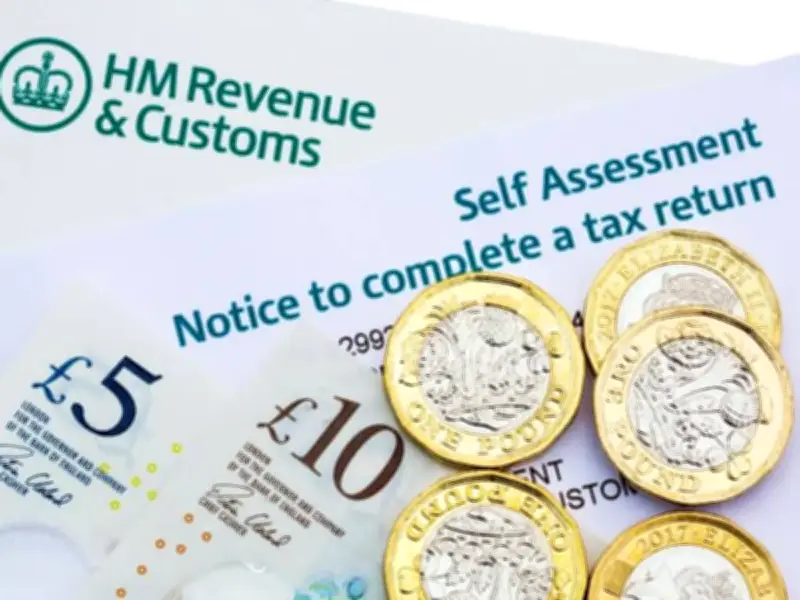
HM Revenue and Customs (HMRC) has confirmed that households who missed the Self Assessment tax return deadline of January 31, 2026, will face escalating fines, including daily penalties of £10 per day. The initial penalty is £100, followed by additional daily charges of £10 per day for every day the return remains late, capped at a maximum of £900.
Penalty Structure and Timeline
The daily fines begin three months after the original deadline, meaning they start in July 2026. According to HMRC, the penalty schedule is as follows: an initial £100 penalty; after three months, daily penalties of £10 per day (up to £900); after six months, a further penalty of 5% of the tax due or £300 (whichever is greater); and after 12 months, another 5% or £300 charge (whichever is greater).
HMRC stated: “If you send your tax return late you’ll get the following late filing penalties: an initial £100 penalty and then, after 3 months, additional daily penalties of £10 per day, up to a maximum of £900.”

Consequences for Late Payment
In addition to late filing penalties, those who pay their tax late will face penalties of 5% of the unpaid tax at 30 days, 6 months, and 12 months. Interest will also be charged on the amount owed. HMRC urged: “To avoid this, send your Self Assessment tax return as soon as possible. All partners will be charged a penalty if a partnership tax return is late.”
The Labour Party government's tax arm emphasized: “To avoid this, pay your Self Assessment tax bill as soon as possible.”
Official Advice and Digital Channels
Myrtle Lloyd, HMRC’s Chief Customer Officer, commented: “Thank you to the millions of people and agents who filed their Self Assessment tax return and paid any tax owed by 31 January. Anyone who missed the deadline should file their return as soon as possible, as penalties and late payment interest may be charged. HMRC digital channels are always the quickest and easiest way for people to sort their tax affairs. Search ‘Self Assessment’ on GOV.UK to find out more.”
HMRC advises that to avoid penalties, taxpayers should submit their returns promptly and pay any tax due. The digital services on GOV.UK provide the fastest route to manage tax obligations.