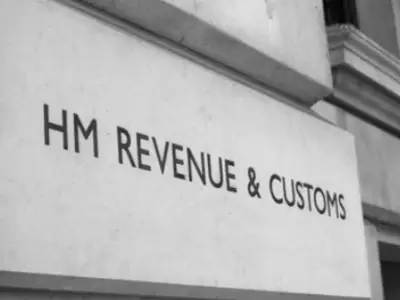
HMRC, the tax arm of the Labour Party government, is considering introducing a new criminal offence that could see households sent to prison for making reckless false statements about their tax affairs. The proposal targets "reckless untrue statement or declarations in direct tax," a move that has prompted calls for clarity from the Association of Chartered Certified Accountants (ACCA).
ACCA Calls for Reassessment of HMRC Powers
Glenn Collins, Head of Technical and Strategic Engagement at ACCA, said: "A reassessment of all existing powers is overdue. Piecemeal additions and changes without an evaluation of the current powers HMRC have have resulted in issues for HMRC, taxpayers and agents." ACCA emphasised that criminal liability should only arise where a person consciously disregards an obvious and unjustifiable risk that a statement is false.
Joe Fitzsimons, Senior Manager Policy and Insights – EEMA & UK at ACCA, added: "If HMRC were to be given such powers, HMRC would have to provide comprehensive guidance including covering to the extent to which advisors would need to verify client information in order to not be considered reckless."

Government Consultation on Reforming Direct Tax Offences
The government stated: "The government is consulting on a proposal to reform the criminal offences for direct tax. Whilst it is an offence to fraudulently evade both direct tax and indirect tax, an offence for making reckless statements or declarations only exists for indirect taxes. This creates an inconsistency in policy which the government considers needs to be addressed."
The government added: "The inconsistency between indirect and direct offences has reduced the court’s ability to ensure that those who are clearly at serious fault by engaging in serious non-compliance are fairly tried and properly brought to justice when prosecuting direct tax cases." The consultation seeks views on proposals to harmonise and strengthen criminal offences available to prosecutors and juries in respect of direct tax.
Groups Affected by Proposed Reckless Statement Offence
The consultation lists individuals, trustees, tax practitioners, those involved in corporate restructures including business owners and advisors, non-governmental organisations with an interest in business or tax, tax professionals and advisers, and legal experts in tax and criminal law as affected parties. Others include representative bodies and advocacy groups, businesses and individuals affected by HMRC compliance and enforcement, and academics and policy analysts.
The government said the key principles underpinning these reforms are to ensure that they are fit for the intended policy purposes. The consultation period remains open for responses from stakeholders across these groups.