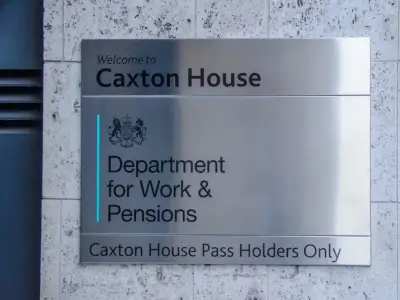
Chancellor Rachel Reeves has confirmed that one million state pensioners will be protected from an HMRC rule as the Department for Work and Pensions (DWP) continues to be dragged closer to the personal tax threshold due to the rising triple lock. The Labour Party Chancellor stated that anyone who receives the state pension but no other income will not have to pay income tax before 2030.
Details of the exemption
Ms Reeves confirmed that individuals solely receiving the new flat-rate state pension—for those who reached state pension age after April 2016—will receive up to £12,547.60 next year. This amount is just below the income tax threshold of £12,570, which is frozen and highly likely to be breached by the state pension from April 2027. The portion of pension income over this threshold would normally be taxed, but the exemption shields those with no other income.
Expert warnings on fairness
Hannah Martin, pensions specialist and founder of Rich Retiree, warned of potential unfairness. "It could indeed lead to unfairness between different groups. It's estimated that, of the 13.2 million people currently receiving a state pension, fewer than one million will be covered by the policy," she said. "As an example, someone who only receives a basic state pension and tops it up through work or other means won't benefit, even if they ultimately earn the same amount as someone claiming the full state pension."

Alternative solutions proposed
Ms Martin suggested alternative approaches. "One alternative solution could be to increase the tax allowance for pensioners so that anyone wholly dependent on the new state pension would be under the tax threshold. However, this would be an expensive revenue loss for the Government." She added, "Or they could simplify the plan and just write off small tax bills to a defined sum for all pensioners—whether the income came from the state pension or not."
The expert reminded that all income, including state pension, private pensions, savings, investments, property income, and part-time work, is taxable. Income not subject to tax includes ISAs, the annual personal savings allowance, annual dividend allowance, and any income earned under the Rent a Room Allowance.