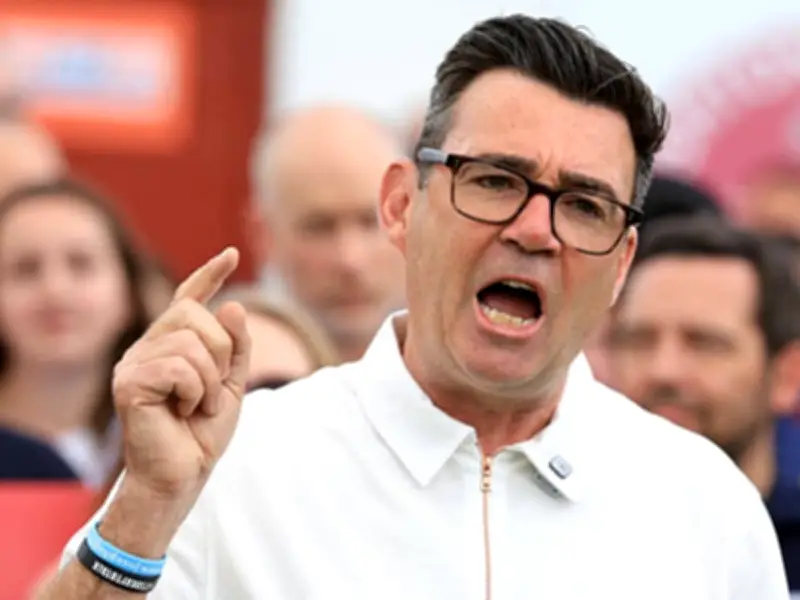
Andy Burnham is widely anticipated to become the next Prime Minister, taking over from Labour Party leader Sir Keir Starmer. With his premiership looming, tax experts have issued immediate advice for UK households.
No Need for Immediate Changes, but Review Your Plans
Despite Mr. Burnham's imminent arrival at 10 Downing Street, experts say there is no need to make immediate changes based solely on potential policy shifts. However, it is sensible to review your plans so you are well positioned if reforms are introduced in the future.
Mr. Burnham has committed not to raise headline income tax rates. However, frozen thresholds and allowances have raised effective tax rates. The Makerfield MP has proposed abolishing inheritance tax and replacing it with a care levy on estates, where everyone contributes but the wealthiest pay the most. This may not actually change the amount larger estates pay overall.

Key Advice from Financial Experts
Rebecca Williams, Financial Planning Divisional Lead, advised: "Sense-check your tax efficiency. Review how much of your wealth sits in tax-efficient wrappers such as ISAs and pensions. Check you're making full use of available allowances where appropriate. Consider how potential changes to income tax or capital gains tax could affect you."
She continued: "Review your property and estate strategy. Consider how changes to property taxes or inheritance tax could affect your long-term plans. Revisit how property is owned, particularly higher-value or second homes. Check your estate planning still reflects how you want to pass on wealth."
Williams added: "Speak to your adviser before making changes. Discuss how potential reforms could affect your personal situation. Avoid making decisions based on speculation alone. Focus on long-term planning rather than trying to time policy changes."
Potential Tax Reforms Under Burnham
A land value tax, an annual charge based on the value of the land your property sits on rather than the building itself, could replace stamp duty and council tax. However, it may increase costs for owners of high-value estates or properties with extensive grounds.
Mr. Burnham has indicated he would like to abolish stamp duty, describing it as a barrier to people getting on in life. However, any upfront saving is likely to be replaced by a new annual property or land-based charge, so overall costs may not fall.
Mr. Burnham has also indicated support for higher capital gains tax as part of a broader shift toward taxing wealth and assets rather than income. CGT rates could potentially be equalised with income tax rates, significantly increasing the tax bill for investors selling assets outside tax-efficient wrappers.