PIP Assessment System Deemed Unfit
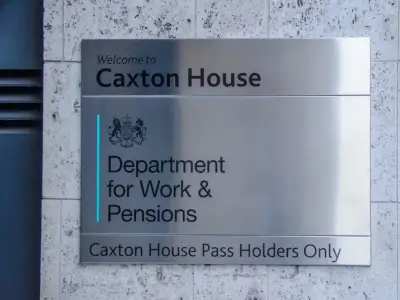
The Department for Work and Pensions (DWP) Timms Review has identified three conditions that require a new points system for Personal Independence Payment (PIP). The interim report, expected to be published soon, will conclude that PIP “is not working”, “is not fit for purpose”, and needs “bold and radical reform”, according to The Guardian.
Three Conditions Named for Reform
The review highlights that the current points-based system for assessing disability has failed to keep pace with fluctuating and less visible conditions. Specifically, cystic fibrosis, arthritis, and mental health conditions are cited as examples where the system falls short. The report calls for a new system that “adequately reflects the diverse reality and needs of disabled people today”.
Calls for a New Disability Payment Model
Disability Rights UK has backed calls from the Lived Experience Social Security Commission for an Additional Cost Disability Payment (ACDP). This payment is rooted in the social model of disability and aims to provide a realistic financial contribution to the extra costs faced by disabled people. The organisation demands that eligibility be personalised, genuinely exploring barriers and additional costs, and that the process be more collaborative and less hostile.

Disability Rights UK firmly opposes the proposal that PIP be used as a gateway to the health component of Universal Credit, stating that these benefits have very different purposes and should not be conflated. Alongside a new, improved PIP, the submission seeks a new scheme for accessibility equipment, including accessible vehicles, improvements to other government services, and better connection to other forms of support.
Scottish Model as a Potential Template
The Guardian reports that some have urged the DWP to replicate the model used in Scotland, where the adult disability payment has replaced PIP. In Scotland, Social Security Scotland asks applicants about their condition and how it affects their ability to look after themselves, understand information, communicate, and move around outdoors. It also inquires about any medication, treatment, or equipment needed. Applicants have 56 days (8 weeks) to complete part 2 of the application.