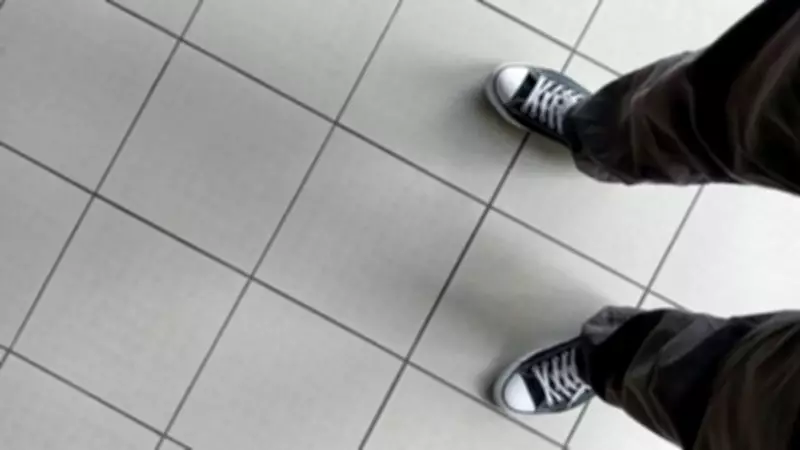
Tiled floors are ideal for high-traffic areas like halls, kitchens and bathrooms. They're durable, easy to clean and come in a huge range of colours, patterns and sizes to suit any scheme. But what's the best approach if cracks appear in the grout or there's movement underfoot?
A beautifully laid tile floor is quite an investment, so it's worth sorting out niggles before they become an expensive problem, says PA's Sam Wylie-Harris. Tiles that feel loose or sound hollow don't always need replacing, according to a flooring expert. It tends to occur when the adhesive has degraded over time or was incorrectly applied in the first place.
Understanding the Problem
When gaps form under a tile, they become unstable, make a hollow sound when walked on and, eventually, result in cracking or deterioration of the grout. If the tile is undamaged, replacing it is not usually the best move, says Adrian Cox from Fix-A-Floor. Thanks to contemporary repair methods, he says removing and reinstalling tiles is often unnecessary – and can prove more disruptive and costly than needed.

Signs of Loose Tiles
Cox has shared the signs to look out for, how to address them, and answered some common questions.
Loose Tiles
Provided the tile remains intact and the problem stems from the adhesive, Cox says a repair is possible. Small holes can be drilled into the grout lines surrounding the affected area, allowing a low-viscosity bonding compound to be injected underneath. This fills any gaps, restores full adhesion and stabilises the tile.
It's a common misconception that repairing tiles is just a temporary fix. Today's adhesives are engineered to flow beneath tiles, remain flexible, tolerate temperature changes and provide lasting stability... a well-executed repair can last the lifetime of the floor, says Cox.
Strange Sounds
A hollow sound underfoot can be an early warning sign of adhesive failure. Left unaddressed, this can lead to greater expense further down the line due to cracked tiles, crumbling grout, water damage and movement.
Re-grouting
While re-grouting can improve the appearance, it fails to address the underlying issue. Proper repair requires an adhesive that can penetrate beneath the tile and rebond it securely to the substrate, says Cox.
Underfloor Heating
Tiles over underfloor heating can be fixed, as long as the right adhesive is used and it's designed to cope with heat fluctuations and movement. He says leaving voids untreated can reduce heating efficiency, create cold spots and drive up energy usage.
Why Replacing Tiles Isn't Always the Best Solution
Replacing tiles is a labour-intensive process involving multiple stages – lifting tiles, removing old adhesive, preparing the base, then re-laying, re-grouting and sealing. There is also a risk that surrounding tiles will be damaged, not to mention the inconvenience caused by dust and noise.
Finding matching replacement tiles can also prove challenging, especially if the originals have faded or are no longer available. This can result in odd looking patches or the need to retile a considerably larger area than anticipated.
However, there are times when replacement is unavoidable, says Cox: When tiles are badly cracked or shattered, the subfloor is compromised, or there's significant water damage. In these instances, underlying structural issues must be resolved before any further work.