Major Jewellery Quarter Regeneration Scheme Gets Green Light
Plans for a significant redevelopment in Birmingham's historic Jewellery Quarter have been approved by city planners, despite ongoing concerns from some councillors about the potential impact on the area's distinctive character. The decision follows a deferred vote last month and heated debate about balancing heritage preservation with urban renewal.
Development Details and Design Features
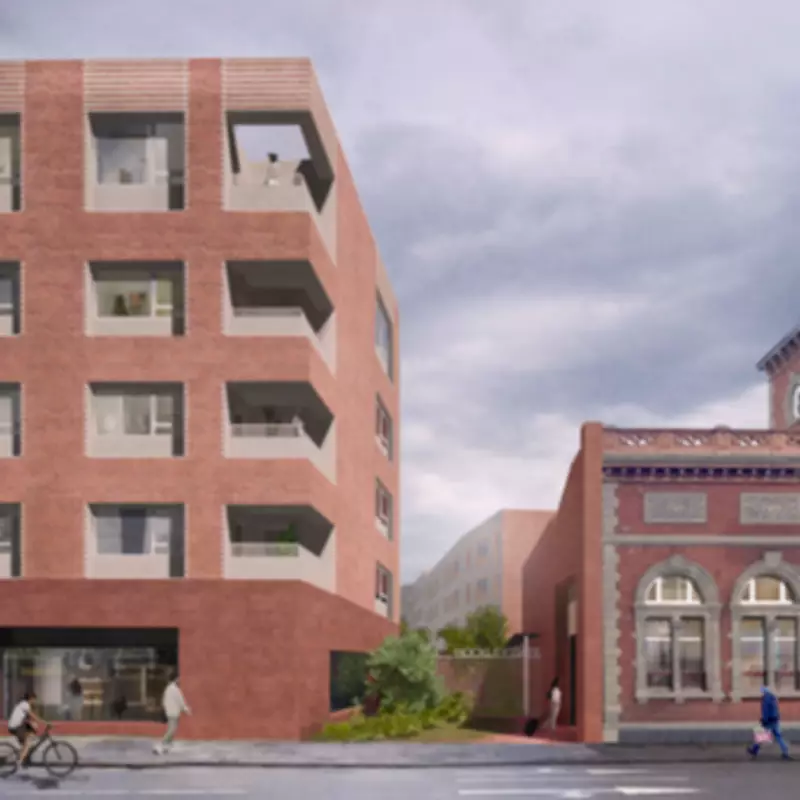
The approved scheme will see the demolition of several existing industrial buildings near Hockley Hill to make way for new residential and commercial spaces. The development will feature five and six-storey blocks containing a total of 269 apartments alongside commercial areas designed for creative industry occupation.
A key heritage element of the project involves the retention and conversion of 175 Hockley Hill, a Grade II listed building located in the southern corner of the site. This historic structure will be transformed into a main entrance for the development, complete with shared amenity space and two apartments on the upper floors.

Councillors Voice Heritage Concerns
During the planning meeting, Councillor Philip Davis expressed apprehension about the scale of the development, suggesting it represented "another incremental reduction in the character of the Jewellery Quarter." He acknowledged the need for balanced judgment but maintained his concerns about preserving the area's unique identity.
Councillor Gareth Moore went further, arguing the plans should have been refused outright. "The design in my view is pretty poor, it's particularly harmful to the heritage of the local area," he stated. "It looks like it's really jarring in the CGI image. They have tried to cram more residential in and not provide any of the amenity space that actually makes it enjoyable to live in the city centre."
Moore described the scheme as "terrible" and suggested refusal was the only appropriate option, highlighting concerns about:
- Inadequate parking provisions
- Lack of enjoyable open spaces
- Potential harm to local heritage
Balancing Arguments and Final Approval
Councillor Martin Brooks presented a counterargument, emphasizing the development's benefits: "This scheme does bring back into use a very attractive building and I think generally it's a scheme we probably should support." He framed the decision as "a question of balance" between preservation and regeneration.
A council planning officer provided crucial context, noting that most of the development site falls outside the official conservation area, though adjacent to it. "[The site] is pretty unsightly at the moment and [the] listed building is largely disused," she explained. "I do feel at the mass and scale that it is, [the scheme] is bringing forward some heritage benefits [and] not having too detrimental impact on the character of the conservation area."
Developer Concessions and Public Benefits
Prior to the meeting, council officers revealed that the developer had already implemented "significant reductions" to the overall scale of the project during its evolution. They warned that requiring further reductions would "jeopardise the viability of the scheme and some of the public benefits it offers."
The approved development promises multiple public benefits, including:
- New housing supply in a central location
- Commercial space suitable for creative industries
- Affordable housing provisions
- Protected workspace areas
- Heritage preservation through listed building conversion
Council officers concluded that these collective benefits were sufficient to outweigh any potential harms, leading to the planning committee's approval earlier today. The decision represents another chapter in the ongoing evolution of Birmingham's historic Jewellery Quarter, where development pressures continue to test the balance between preservation and progress.