Smethwick HMO Proposal Rejected for Second Time by Council Planners
Plans to convert a residential property in Smethwick into a house of multiple occupation have been turned down once again by Sandwell Council, following significant local opposition and concerns over parking and living standards.
Persistent Objections and Unchanged Plans
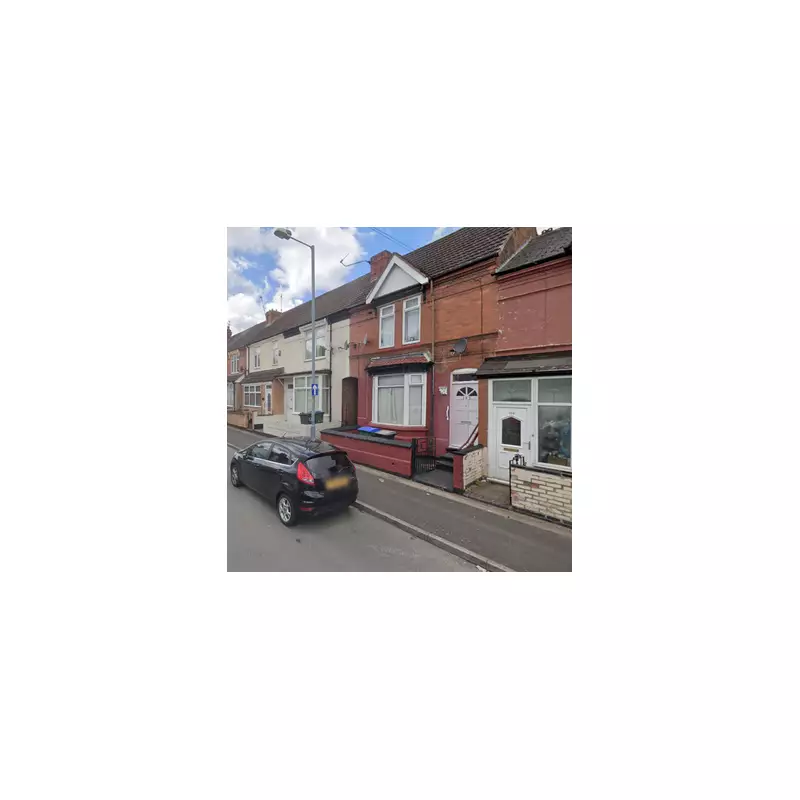
The application to transform the four-bed Victorian mid-terrace home on Cheshire Road into an eight-bed HMO was initially rejected in March last year. Despite this, the proposal was resubmitted with minimal alterations, prompting renewed criticism from residents and authorities alike.
Local objectors highlighted that the application appeared virtually identical to the previous version, with one stating it seemed like a "blatant attempt to try and try again in the hope the application is successful." Nearly 100 signatures were gathered on petitions opposing the initial plans, reflecting strong community resistance.
Council Cites Multiple Grounds for Rejection
Sandwell Council's planning department outlined several key reasons for refusing the application:
- Parking and congestion: Cheshire Road lacks off-street parking, and the council's highways department warned that approving an HMO without parking spaces could set a problematic precedent in an already congested area.
- Poor living conditions: Planners criticised the internal layout as "poor," noting that most bedrooms measured only six to nine square metres, allowing space for little more than a bed and wardrobe.
- Inadequate facilities: The plans included one shared kitchen for eight residents but failed to provide seating or a refrigerator, while a basement living room relied solely on artificial lighting.
- Noise and disturbance: The council expressed concerns that the "intensification" of use would lead to increased noise and general disturbance for neighbouring properties.
Additional Objections from Authorities
West Midlands Police also raised objections, citing the lack of security and management plans, particularly given the area's high crime rate. The force echoed worries about parking shortages and potential overcrowding in the building.
In its report, the council acknowledged that the proposal would increase affordable housing, a recognised need in the region. However, it concluded that "the merits of providing such accommodation would not outweigh the harm identified."
Future Possibilities for the Property
Despite this rejection, the council noted that the property could still be converted into a six-bed HMO without requiring planning permission, under permitted development rights. This leaves open the possibility of a smaller-scale conversion, though the current eight-bed plan has been firmly dismissed.
The decision underscores ongoing tensions between housing needs and community infrastructure in densely populated urban areas like Smethwick, where parking and living space remain critical concerns for residents and planners.