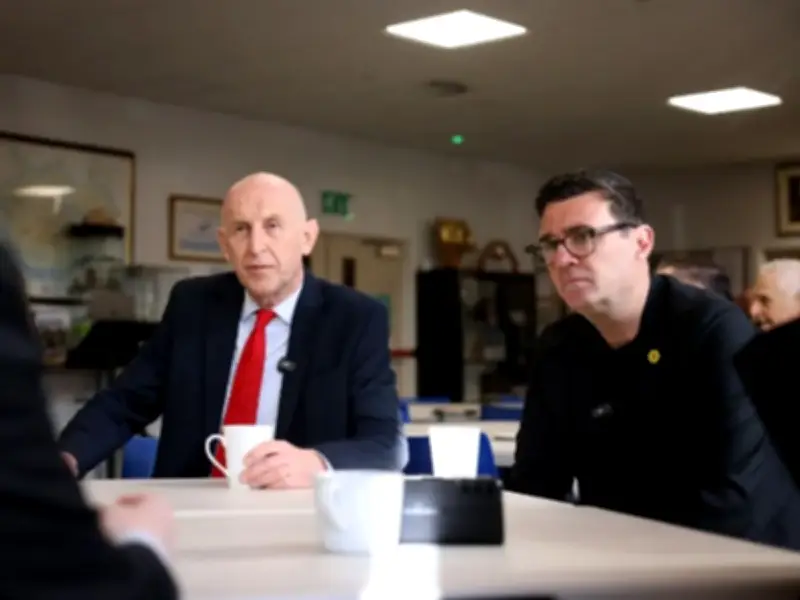
Aviva chief executive Amanda Blanc has called on Prime Minister Andy Burnham and Chancellor John Healey to rule out changes to the 25% pension tax-free lump sum ahead of the October Budget, warning that speculation could trigger a rush of unnecessary withdrawals from retirement pots.
In a direct appeal to the Labour leadership, Ms Blanc urged the government to end pre-Budget speculation, saying that uncertainty could lead savers to make decisions they later regret. Mr Healey, who replaced Rachel Reeves as Chancellor last month, is set to deliver his first Budget on October 28.
Ms Blanc's comments follow last year's rumours of changes to pension tax-free lump sums, which she said led to billions of pounds being withdrawn from pensions. She stressed that the industry wants to avoid a repeat of that situation.
Aviva boss warns against pre-Budget speculation
Speaking about the need for clarity, Ms Blanc said: “We don’t want to see, every week, new things in the press about what might happen when in the run-up to the Budget.” She added that such speculation is “not very helpful” because it could lead customers to make decisions that “in the long run they regret” if policies are not changed.
“We should be encouraging people to save into their pension and to keep the money for their retirement. We shouldn’t be double-taxing people,” she added. Her remarks highlight growing concerns within the financial services sector about the potential impact of any changes to pension tax relief.
The Prime Minister, who is also the MP for Makerfield, and his Chancellor have been urged to provide certainty to savers. Ms Blanc's intervention comes as part of a broader campaign by the insurance industry to protect pension benefits.
Expert advice on tax-free cash and contribution limits
Andrew King, pensions and retirement specialist at wealth management firm Evelyn Partners, has clarified that taking the 25% tax-free cash does not reduce pension contribution limits. The lower contribution limit, known as the money purchase annual allowance, is usually triggered only if a saver starts taking taxable income from their pension.
King explained: "If you simply take the tax-free cash and leave the rest of the pot invested or in drawdown, then you don't need to worry." This guidance aims to reassure savers who may be concerned about the impact of withdrawing tax-free cash on their ability to contribute in the future.
However, King also warned against acting solely on policy fears. He said: "Any speculation around tax-free cash before the next budget will doubtless - and understandably - further fuel such behaviour, but we would advise against acting on policy fears alone."
Pension recycling rules and long-term savers
King also highlighted potential pitfalls for those considering paying significant amounts back into a pension after taking tax-free cash. He noted that HM Revenue & Customs might view such actions as falling foul of 'pension recycling' rules.
"Paying significant amounts back into a pension immediately after having taken tax-free cash might be picked up on by HM Revenue & Customs as falling foul of 'pension recycling' rules. So, it would be unwise to simply try and pay big lump sums back into your pension in the same tax year or following two years," King said.
This advice underscores the complexity of pension rules and the importance of seeking professional guidance before making any decisions. The government has not yet indicated any specific changes to pension tax relief, but the pre-Budget period remains a time of uncertainty for savers.