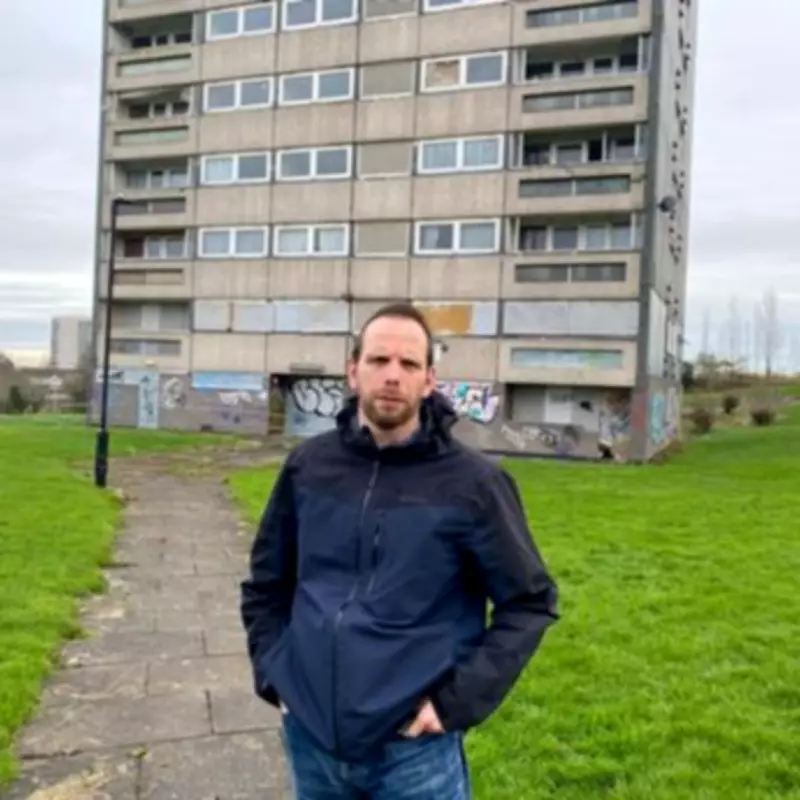
The Green Party in Birmingham has set out its ambitions for the city as crucial local elections approach. Voters heading to the polls in May will decide who takes 101 council seats, determining which party or coalition runs the large local authority for the next four years. The new administration will oversee a vast array of services, manage the ongoing bins strike, and address the fallout of a financial crisis at the council.
Bins Strike and Collections
A major issue the council still faces is the Birmingham bins strike, which has dragged into its second year. Striking workers claim they face a pay cut of £8,000, but the Labour-run council disputes this figure and insists a fair offer was made. Councillor Julien Pritchard, representing Druids Heath, expressed frustration: “People are rightly angry and frustrated that this has been going on for over a year now. You’ve got to get around the table, negotiate in good faith, and reach a resolution. Not talking hasn’t solved it.” He added that from the union’s perspective, a deal was nearly reached last summer but was scuppered. “It felt like there was a deal in touching distance, and that’s got to be the starting point – look at what is possible as opposed to this ‘computer says no’ attitude.”
Pritchard said the Greens would fight for a well-managed rollout of any changes to bin collections, along with communication and support for residents to get back into the habit of recycling. “My worry is that they are just going to dump these new bins on people’s lawns and hope for the best.” When asked whether the Greens would continue with plans for fortnightly collections, he said: “No party will have an overall majority, so we’ll have to see what all parties around the table say. For me, the most important thing is to get the waste service to be reliable.”
Road Safety
On road safety, Pritchard said the Greens want slower speeds on residential roads. “But you also need enforcement. We’re talking about residential roads that are clearly not designed for through-traffic at speed.” He argued that Birmingham Council had “made an absolute hash” of the controversial Kings Heath Low Traffic Neighbourhood (LTN). “We want safer streets, and we would say you need to work with communities on whatever solutions they would like to see. It should be led by the communities affected. We want safer streets where children can play and it’s a nice environment to be in, rather than race tracks.”
Responding to claims of a ‘war on motorists’, he said: “I think the war is on pedestrians and vulnerable road users. If there’s a war out there, it’s on some of the most vulnerable people using our roads. It’s not about punishing motorists; it’s just about making streets safer for everybody.” He added that the Greens would push for measures such as local road safety budgets, allowing communities to tackle issues more directly, and more pedestrian crossings, particularly near schools.
Culture and Heritage
Regarding the city’s heritage buildings, Pritchard said: “The council needs to be a lot more proactive in protecting them. We would absolutely push the council to use all its available powers to protect The Crown, The Electric, and similar heritage buildings across the city. But it also needs to practice what it preaches and protect its own community facilities – for example, libraries, youth and community centres, parks, and open spaces. We would invest to ensure all community libraries receive necessary repairs within three years and open six days a week, with trial evening openings. We would also push for more youth centres.”
Tale of Two Cities
Unemployment is a key issue, with one Labour councillor recently describing it as at “crisis levels” in some areas. Pritchard said: “Any council contracts need to include much more about creating local jobs – not just a few apprenticeships but actual real jobs that go to local people. The council needs to be much stronger on that. It’s about using its contracts and social power, creating apprenticeships, and supporting small businesses.”
The Vision
On the party’s vision, Pritchard said it is about “giving Birmingham hope again. People are struggling generally, and Birmingham is no exception. The council has been making that harder, not better. It has raised council tax by 10 per cent and 7.5 per cent, while services are being slashed – on top of the cost-of-living crisis. We’ve seen Conservative governments slash funding for Birmingham City Council over the years, and we’ve seen a Labour council cut more and mismanage what money they had left. We need to give people hope – it doesn’t have to be like this. Things can get better, and they will get better. We’re standing to give Birmingham hope again, whether that’s hope that services will be invested in, local spaces protected, or getting the basics right – filling potholes and collecting rubbish. Often when things are cut, it’s the communities already most left behind that suffer the most. We’re going to fight for the whole city, including those areas, making sure no one is left behind. It’s about hope and making sure the city is a fairer, greener, and safer place to live.”