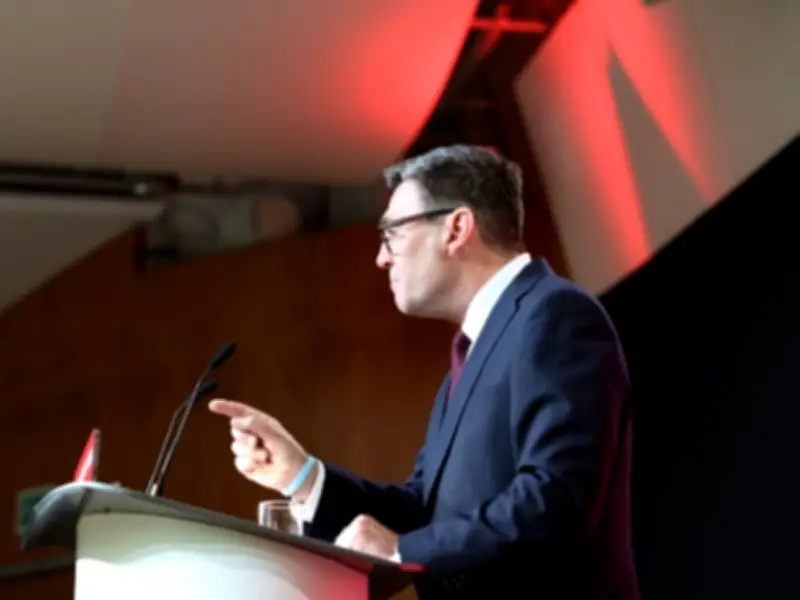
The Bright Blue think tank has put forward a radical tax reform plan that would see the top rate of income tax rise to 52 per cent under a Labour government led by Prime Minister Andy Burnham. The proposals, which have sparked immediate political debate, include scrapping employer National Insurance contributions and increasing all income tax rates.
Key proposals: new tax bands and higher rates
Under the plan, a new 13 per cent tax band would be introduced for earnings between £5,000 and £12,570 a year. The basic rate of income tax would rise to around 31 per cent from the current 20 per cent, while the higher rate would increase to nearly 48 per cent, up from 40 per cent. The additional rate, currently 45 per cent for earnings above £125,140, would be raised to 52 per cent.
The think tank argues that scrapping employer National Insurance would reduce the tax burden on businesses, potentially encouraging hiring and investment. However, the overall increase in income tax rates is designed to raise additional revenue for public services, a key priority for the Labour government.
Political reactions: Conservative and Labour voices
Kevin Hollinrake, chairman of the Conservative Party, criticised the proposals, saying that risk-takers and founders should not be “loaded” with higher taxes to “fund a bigger safety net”. He said: “Diluting the reward by hiking National Insurance and income tax on the self-employed, while expanding state provision around them, doesn’t make Britain more entrepreneurial. It makes self-employment look more like a worse-paid version of being an employee, with none of the upside.”
Polly Billington, Labour MP for East Thanet, offered a different perspective, emphasising the need for better support for freelancers. She said: “Freelancers and the self-employed are the backbone of many of Britain’s fastest-growing industries, yet they are too often overlooked by policymakers. Through the work I’ve been doing, I’ve heard time and again about the lack of employment rights, financial security and tailored support freelancers face.”
Context: HMRC proposals and Treasury response
Bright Blue’s proposals come in the wake of government documents revealing that HMRC could force self-employed workers and landlords to pay tax monthly on income they have not yet earned. This has raised concerns about cash flow for those with variable earnings.
A Treasury spokesman said: “The Chancellor is fully focused on his priorities, which will boost business, help with the cost of living and support people in every postcode. As has always been the case, decisions on tax are a matter for the Chancellor to set out at fiscal events, rather than routinely commenting on rumour, speculation or proposals.”
Impact and analysis
If implemented, these changes would represent a significant shift in the UK’s tax system, affecting millions of taxpayers. The proposed increase in the top rate to 52 per cent would be the highest since the 1970s, when the top rate was 83 per cent on earned income. The new 13 per cent band would primarily affect lower earners, potentially increasing their tax bills but also broadening the tax base.
Business groups have expressed mixed reactions. Some argue that scrapping employer National Insurance could reduce labour costs, while others worry that higher income tax rates could discourage entrepreneurship and investment. The self-employed, in particular, would face higher taxes on their profits, which could impact the gig economy and freelance sectors.
The proposals are likely to be a major talking point in the coming months, especially as the government prepares for its next fiscal event. With the Labour government’s focus on public services and economic growth, the debate over how to balance tax increases with incentives for business will continue.