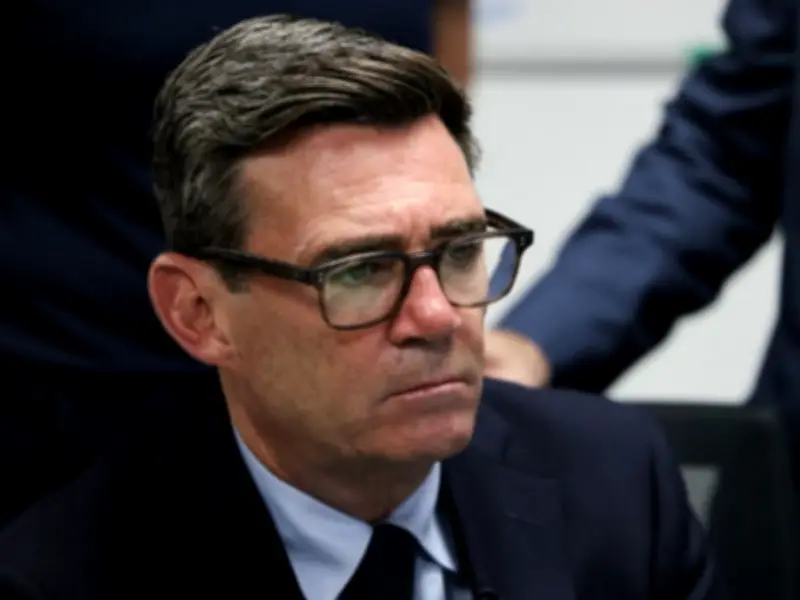
Andy Burnham is facing renewed pressure to introduce a wealth tax, as new polling reveals that two in three British adults support a levy on assets exceeding £10 million. The Labour Prime Minister has been urged by former Labour leader Neil Kinnock to increase taxation on wealth, with the intervention coming just months before Burnham's first Budget.
The proposal has gained significant traction in recent weeks, with campaigners and politicians calling for a redistribution of the tax burden. Unlike income tax, which is levied on earnings, a wealth tax is designed to apply to net assets – including property, investments and savings – above a specified threshold. This particular proposal would target only those with assets worth more than £10 million, a small fraction of the population.
Two-thirds of Britons back wealth tax
According to a BMG Research poll conducted for The i Paper, 66 per cent of adult Britons are in favour of a wealth tax on assets worth more than £10 million. That figure represents a clear majority, adding significant weight to growing calls for fiscal reform.
Neil Kinnock, who led the Labour Party from 1983 to 1992, told The i Paper that the current tax system is unbalanced. He argued that while earnings have stagnated for many workers, the value of assets and high incomes has soared.
Kinnock: 'Better balance' between earnings and wealth
"In this century assets and extremely high incomes and bonuses have zoomed while, for several years, earned incomes flatlined," Kinnock said. "Equity requires a better balance, so does efficiency."
Kinnock's intervention is significant given his role as a former leader of the Labour Party. His comments were made in an interview with The i Paper and reflect a growing movement within and outside the party to rethink how wealth is taxed. The former Labour leader also pointed to the potential revenue from reforming capital gains tax (CGT).
"I'm sure that the Government understands the utility and the encouragement which the further £12bn revenues that such a fair change in CGT would bring," he said.
Pressure from campaigners and political rivals
The Prime Minister has also received backing for a wealth tax from financial influencer Gary Stevenson and from Green Party leader Zack Polanski. Their calls echo a broader debate about how to address wealth inequality and fund public services.
Proponents argue that a wealth tax targeting the very richest – those with assets above £10 million – would affect a tiny fraction of the population while raising substantial sums. Opponents, however, warn that such a measure could lead to capital flight and administrative complexity. The £10 million threshold is seen as a way to avoid the compliance problems that have plagued wealth taxes in other nations, where lower exemptions made them harder to enforce.
Treasury response and the road to October's Budget
Responding to the calls, a Treasury spokesperson said: "The Chancellor is fully focused on his priorities, which will boost business, help with the cost of living and support people in every postcode."
The spokesperson added: "As has always been the case, decisions on tax are a matter for the Chancellor to set out at fiscal events, rather than routinely commenting on proposals made." The statement also noted that "anyone who wishes to donate to the government can online", a phrase likely to be scrutinised given the context of tax policy discussions.
With the October Budget now on the horizon, the question of whether to introduce a wealth tax is expected to be a prominent political battleground. Burnham's response to Kinnock's pressure – and to public opinion – will be closely watched by both supporters and critics of the proposal. The Treasury's cautious response suggests that any major tax changes will be carefully considered within the wider fiscal framework, but the weight of public opinion may prove hard to ignore.