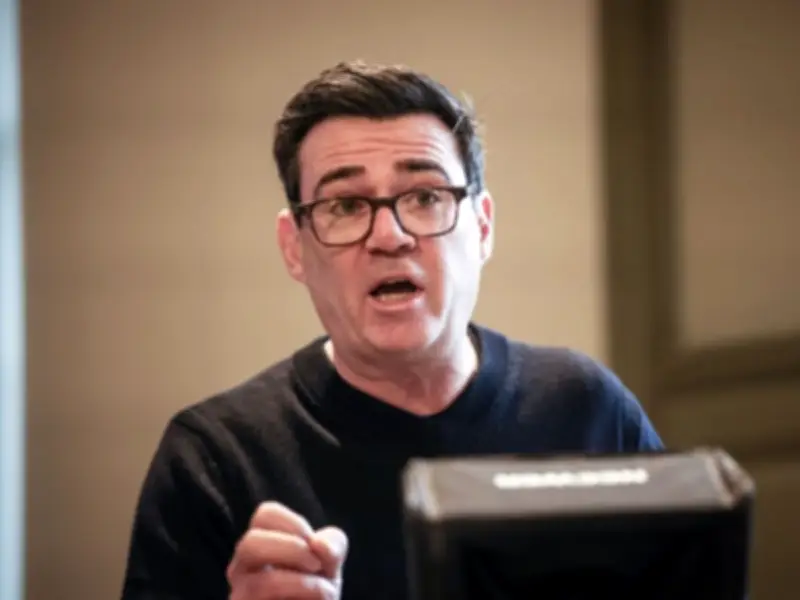
Andy Burnham, the former Greater Manchester Mayor expected to become Prime Minister this month, faces a critical decision over a rule that critics say unfairly targets pensioners. Frozen tax bands, in place since 2021 and extended by Labour's Rachel Reeves, are dragging more over-65s into paying income tax each year.
How the Freeze Affects Pensioners
The triple lock ensures state pension payments increase annually, but with personal allowance thresholds frozen at £12,570 until 2031, more pensioners are crossing the tax threshold. The full new state pension is set to rise to £11,973 in April 2026, leaving only a small gap before tax is due. Any additional income from a private pension or savings interest can push retirees over the limit.
According to an Assistance for Seniors spokesperson: "This is no longer a problem affecting only those with substantial pension pots. We are fast approaching a point where simply receiving the full state pension, alongside even a modest amount of savings interest, is enough to trigger a tax bill."
Fiscal Drag and Its Impact
This phenomenon, known as fiscal drag, allows the government to increase tax revenue without formally raising tax rates. Critics call it "taxing by the back door." An extra 600,000 pensioners are expected to have to pay income tax in 2026/27 as a result of the freeze. Over half a million retirees face being hit by the rule over the next 12 months.
Derence Lee, chief finance officer at Shepherds Friendly, said: "With the full new state pension rising to £11,973 in April, and personal allowance now frozen at £12,570 until 2031, more retirees are edging dangerously close to paying income tax on their state pension."
Burnham's Decision
Burnham and his new Chancellor will now have to decide whether to stick with the freeze or unfreeze tax bands. As it stands, bands are set to remain frozen until 2031, while the state pension continues to climb. The decision will have significant implications for millions of pensioners across the UK.