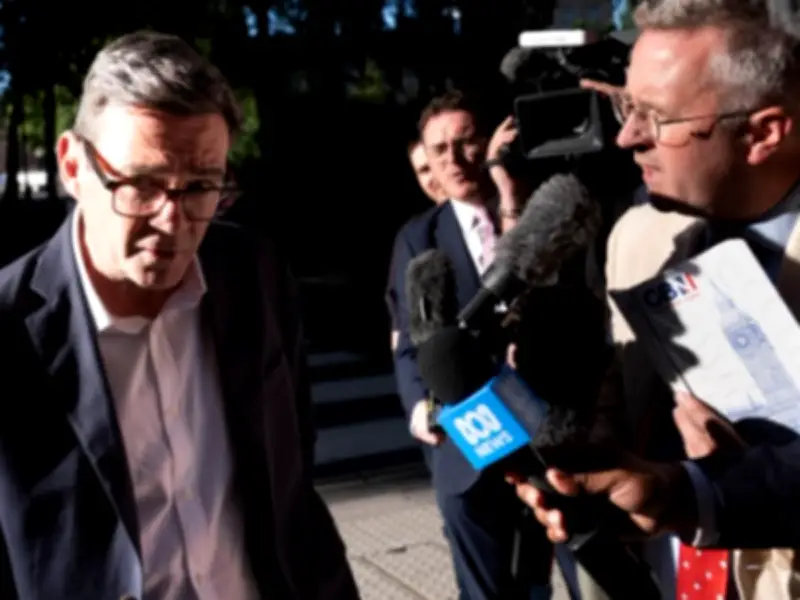
Triple lock under fire as OBR warns of unsustainable costs
Andy Burnham is being urged to scrap the “bonkers” triple lock guarantee for state pensions, which is adding hundreds of pounds to payments each year. The Labour government pledge mandates that state pensions rise by the highest of average wages, inflation, or a baseline 2.5 per cent.
According to the Office for Budget Responsibility (OBR), spending would rise by a fifth less if the triple lock were replaced with a link solely to earnings. Tom Josephs, a member of the OBR's Budget Responsibility Committee, said: “It is certainly a substantial pressure on public spending over the longer term and is making a very significant contribution to that upward pressure on spending.”
Economic adviser labels triple lock 'bonkers'
Lord O’Neill of Gatley, tipped to become Burnham’s key economic adviser, earlier this year called the triple lock “bonkers”. He warned: “The OBR makes it clear that unless we tackle the triple lock we will end up with totally unsustainable levels of both tax and debt. But reforming it needs to be part of a wider set of reforms that encourage more saving by making our ridiculously complicated pension system simpler.”

Despite these calls, Burnham has already committed to retaining the triple lock.
OBR modelling shows fiscal relief from reform
The OBR urged policymakers to act swiftly to prevent debt from spiralling onto an “unsustainable and ever-rising path”. Its modelling suggests that linking pension rises solely to earnings growth would ease fiscal pressures by around two per cent of GDP.
Steven Cameron, pensions director at Aegon, said: “The next Prime Minister, whether or not Andy Burnham, will inherit many pressing challenges, and on that list is the future of the state pensions triple lock.”
Cost of triple lock nearly triples original forecast
By 2029-2030, the mechanism will have added approximately £15.5 billion annually to pension spending, nearly three times the £5.2 billion originally forecast. This growing burden underscores the urgency of reform, according to critics.