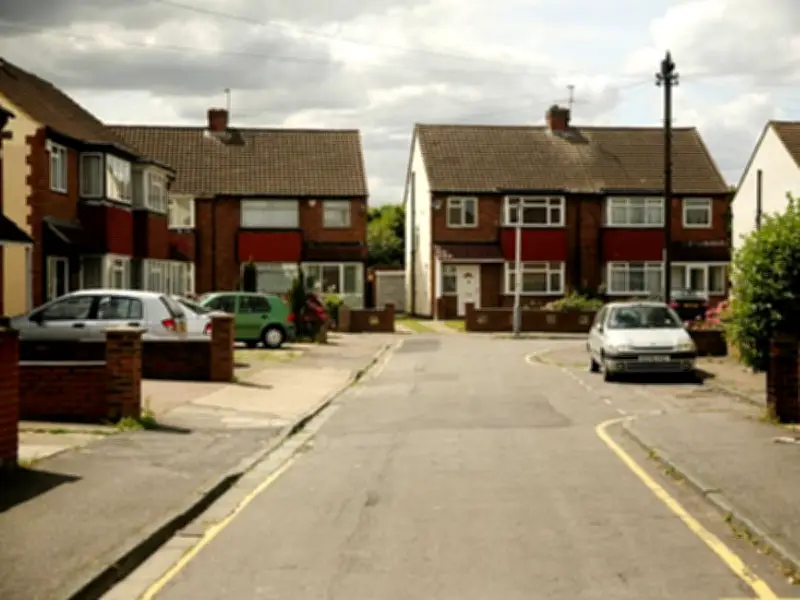
Andy Burnham's newly announced VAT cut on household electricity bills has been branded unfair because it fails to address the higher tax burden still borne by electric vehicle drivers without driveways. The Prime Minister unveiled the policy on his second day in office, promising “breathing space” for families hit by the cost-of-living crisis, but experts say it deepens a “driveway divide” that penalises those who have no option but to use public charging points.
The criticism centres on the way the reduced VAT rate for domestic electricity applies to home EV charging points, while drivers who rely entirely on public charging infrastructure must continue to pay the standard 20 per cent rate. According to analysis by the consultancy New AutoMotive, this discrepancy leaves such drivers paying approximately £216 in VAT per year, a figure that highlights the growing gap between those who can charge overnight at home and those who cannot.
‘A design flaw’ in the tax system
Ben Nelmes, chief executive of New AutoMotive, was blunt in his assessment. “The Government has handed EV drivers with a driveway a tax cut on power they were already paying least for,” he said. “Meanwhile, the driver charging on a public charger down the road, because they’ve got nowhere else to plug in, is still handing 20pc to the taxman on every single mile. That’s a design flaw, and it leaves us with a VAT system that asks most of those who can least afford to contribute.”
John Lewis, chief executive of charging provider Char.gy, reinforced that message. “Public charging isn’t a lifestyle choice for millions of drivers, it’s the only option they’ve got,” he said. “Taxing that at four times the rate of home charging punishes exactly the people the switch to electric is supposed to work for.”
What the VAT cut means for energy bills
The policy, announced by Mr Burnham on his second day as Prime Minister, forms part of a broader package aimed at easing pressure on household finances. Cutting VAT on electricity bills is expected to take around £45 off the yearly Ofgem price cap in October. This is on top of the £150 removed from bills at the last Budget, meaning the cumulative relief for a typical household will be substantial.
Mr Burnham said: “Westminster has not been working for people for too long, with families struggling with the cost of living. That needs to change. I said I wanted to give people breathing space, and that’s what I’m announcing on my second day as Prime Minister. We’re taking immediate action to cut taxes on energy bills, put more money in people’s pockets and bring back hope.”
The government argues that by targeting electricity bills specifically, the measure will support a broad cross-section of households while also helping to keep inflation down. All suppliers are expected to pass the reduction on to all customers, including those on fixed tariffs, just as they did with the £150 of costs removed from energy bills at the last Budget.
Who will benefit from the reduction
The VAT cut is not limited to private households. Small businesses that qualify for the domestic energy VAT relief and are not registered for VAT will also see their electricity bills drop. Charities and residential care homes that are eligible for the reduced rate will benefit in the same way, extending the reach of the measure beyond individual consumers.
The government has emphasised that the policy is designed to be simple and straightforward, with the expectation that all suppliers will implement the change promptly. The fact that the reduction also applies to fixed-tariff customers means that no one will be left out, regardless of their energy contract.
Concerns over the growing inequality
Despite these broad benefits, the row over public charging looks set to continue. Critics argue that the VAT system is now actively working against the government’s own climate goals by making it more expensive for people without driveways to switch to electric vehicles. This, they say, risks creating a two-tier EV market in which wealthier drivers who can charge at home enjoy the full benefits of the transition, while others are left paying premium prices.
The £216 annual tax figure cited by New AutoMotive is based on typical usage patterns for drivers who have no access to off-street parking. With public charging already costing more per kilowatt-hour than home charging, the additional VAT burden only widens the financial gulf between the two groups. Campaigners have called on the government to extend the VAT reduction to public charging points, but so far no commitment has been made.
As the policy moves through implementation, the pressure on ministers to address the disparity is likely to intensify. The government has yet to respond formally to the criticism, but the issue is expected to be raised in Parliament as the details of the VAT cut are scrutinised.