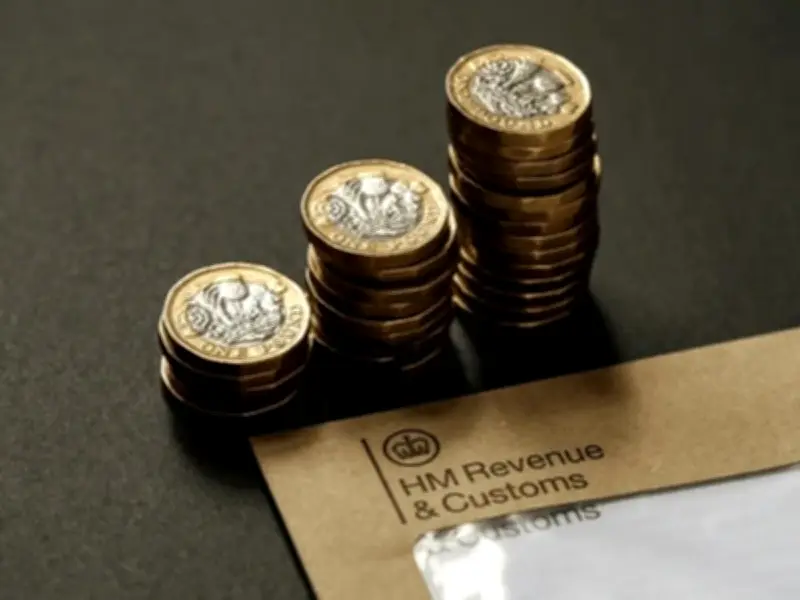
HMRC has received 170,992 tip-offs from individuals reporting friends, neighbours, colleagues, and businesses for not paying enough tax during the 2025-26 tax year, a significant increase that has led to £1.4 million in rewards paid to informants. The crackdown, which targets tax evasion and fraud, is part of a broader effort to boost compliance and recover lost revenue.
Reward System Expansion
The £1.4 million payout marks a notable rise in whistleblower incentives, with HMRC adopting a system inspired by the US model. Hinesh Shah, of law firm Pinsent Masons, commented: “We’re expecting that the number and quality of whistleblower reports to HMRC will increase dramatically under the new reward systems – which is based on the US system. In the US, $123.5m was given to tax whistleblowers as rewards in the most recent year for which data is available.” Tim Stovold, of Moore Kingston Smith, suggested that the UK’s reward payouts could grow ten-fold if HMRC “put the same energy into the UK scheme as the Americans have”.
Impact on Small Businesses
Nimesh Shah, of accountancy Blick Rothenberg, warned of potential negative consequences for small businesses: “It won’t be good news for small businesses if HMRC is cracking down on their non-compliance, after all the things they’ve been hammered with.” The crackdown also targets “phoenixisation”, where businesses use “contrived” insolvencies to evade tax and write off debts, with HMRC, Companies House, and the Insolvency Service collaborating on enforcement.

Increased Prosecutions Target
HMRC is expanding its counter-fraud capability to increase prosecutions for the most harmful fraud by 20% by 2029-30, from 500 to 600 per year. Andy Leggett, HMRC’s Director of Risk and Intelligence Services, stated: “Tax fraud is a crime that cheats honest taxpayers and diverts money from vital public services. The strengthened reward scheme is designed to incentivise people to do the right thing, whether they are members of the public or industry professionals such as accountants and lawyers.”
Behavioural Change Expected
Hinesh Shah added: “If HMRC starts issuing individual awards that go into the millions of pounds then that is going to lead to a radical change in behaviour.” The increased tip-offs and rewards reflect a growing emphasis on public and professional reporting to combat tax evasion, with potential far-reaching effects on compliance and enforcement.