Aer Lingus Implements New Passport Requirement for UK-Ireland Travel Routes
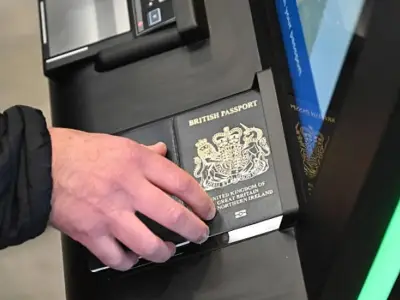
A significant development in air travel regulations has emerged this week as Aer Lingus becomes the second major airline to enforce a new passport rule for passengers flying between the United Kingdom and Ireland. The Irish carrier has officially joined Ryanair in mandating that all travelers on these routes must now carry a valid passport, marking a substantial shift from previous identification policies.
End of Alternative Identification Acceptance
Previously, Aer Lingus permitted passengers to use alternative forms of photographic identification for flights connecting the UK and Ireland. Accepted documents included driving licences and Irish Garda age cards, providing flexibility for travelers within the Common Travel Area. However, this practice has now been discontinued following the airline's policy update.
In an official statement released by an Aer Lingus spokesperson, the company explained that the new measures "will ensure consistency across our network and further improve our operational performance for our customers." The spokesperson elaborated: "Aer Lingus is updating its travel document requirements for flights between the Republic of Ireland and the UK, effective from 25th February 2026."
The airline explicitly stated: "All customers (including Irish or British nationals) travelling on Aer Lingus and Aer Lingus Regional services between the Republic of Ireland and the UK will now require a valid passport or Irish passport card. The other forms of photo ID (driver's licence, etc.) previously accepted will no longer be valid for travel."
Contrasting Policies Among Airlines
Interestingly, British Airways, which operates as a sister airline to Aer Lingus under the International Airlines Group, maintains a different approach for specific routes. The carrier continues to allow passengers to travel without passports on flights from London City and Heathrow airports to Dublin, adhering to Common Travel Area provisions.
British Airways clarified its position: "You do not need a passport to travel between these destinations, known as the Common Travel Area (CTA), but you do require recognised photographic identification that proves your identity and nationality." This creates a notable discrepancy in identification requirements between airlines operating on similar routes.
Broader Context of Border Regulation Changes
This airline policy shift occurs against the backdrop of evolving border regulations implemented by UK authorities. The Home Office recently addressed concerns regarding new border rules affecting British dual nationals, dismissing as "absurd" claims that it failed to properly communicate requirements that could prevent some individuals from boarding transportation to the UK.
Under these broader regulatory changes, British dual nationals must now present specific documentation to prove their right of abode before boarding flights, ferries, or trains to the United Kingdom. Acceptable documents include a valid or expired British passport, or a certificate of entitlement costing £589.
The Aer Lingus policy implementation represents a significant adjustment for regular travelers between the UK and Ireland, particularly those who previously relied on driving licences or other non-passport identification. Passengers are advised to verify specific documentation requirements with their airline before travel to avoid potential disruptions to their journeys.