Drivers face a £50 charge hike to keep their cars on the road from Wednesday as the new energy price cap takes effect. The increase, announced by Ofgem last month, could cost some electric vehicle owners an additional £50 per year, according to new research by What Car?.
New Price Cap Details
From Wednesday 1 July, the energy regulator Ofgem will increase the maximum charge from 24.67p/kWh to 26.11p/kWh for customers on standard variable tariffs. This change affects millions of households and could significantly impact EV owners who charge at home.
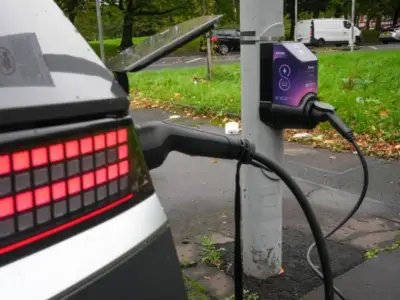
EV motorists could be paying between £20 and £50 more to charge their cars under the new cap, according to analysis from What Car?. For example, the BMW iX3 currently costs £26.82 to charge, but this will rise to £28.38 under the new price cap. Over a year, that amounts to £52.12 in additional costs. The Renault 5 increases from £11.35 to £12.01, which totals an extra £22.06 annually.
Tips to Reduce Costs
What Car? added: "There are steps you can take to reduce the cost of charging your EV. Consider a dual-fuel tariff and ensure you charge only during off-peak periods. Many electric cars and home EV chargers allow you to schedule charging, which you can set to match those off-peak periods. Some smart tariffs, such as Octopus Intelligent Go, can do this automatically."
The experts also advised drivers to shop around and switch to a better EV home charging tariff, use workplace charging, and charge more smartly so they aren't relying on public chargepoints.
Impact on Popular Models
Charging a popular Tesla Model 3 from empty to full will cost roughly £1 more than it does currently. Regit explained: "For those looking to minimise or even eliminate the effect of this price hike, there's good news. The most effective strategy is to move away from standard variable tariffs. Many energy providers now offer dedicated EV-specific energy deals in the UK, which can slash charging costs to as low as 7p/kWh during off-peak hours."