New EU Travel Rules Could Cause Major Delays for Brits and Other Non-EU Travellers
Holidaymakers planning trips to Europe this spring are being warned of potential chaos at border control due to the full implementation of major new travel checks. The European Union's new biometric system, which replaces traditional passport stamps, requires British travellers and other non-EU visitors to complete a brand new digital registration upon arrival.
Entry/Exit System Launch Details
Starting on April 10, the EU will implement the Entry/Exit System (EES) across all airports within the Schengen Area. This new digital framework replaces the long-standing practice of manually stamping passports for non-EU visitors, including those from the UK, US, Canada, and Australia.
Travellers from these countries will now have their fingerprints and facial images recorded when they first enter the bloc. This biometric registration is a mandatory requirement designed to modernise border security and track short-stay visits more efficiently.
Potential Delays and Expert Warnings
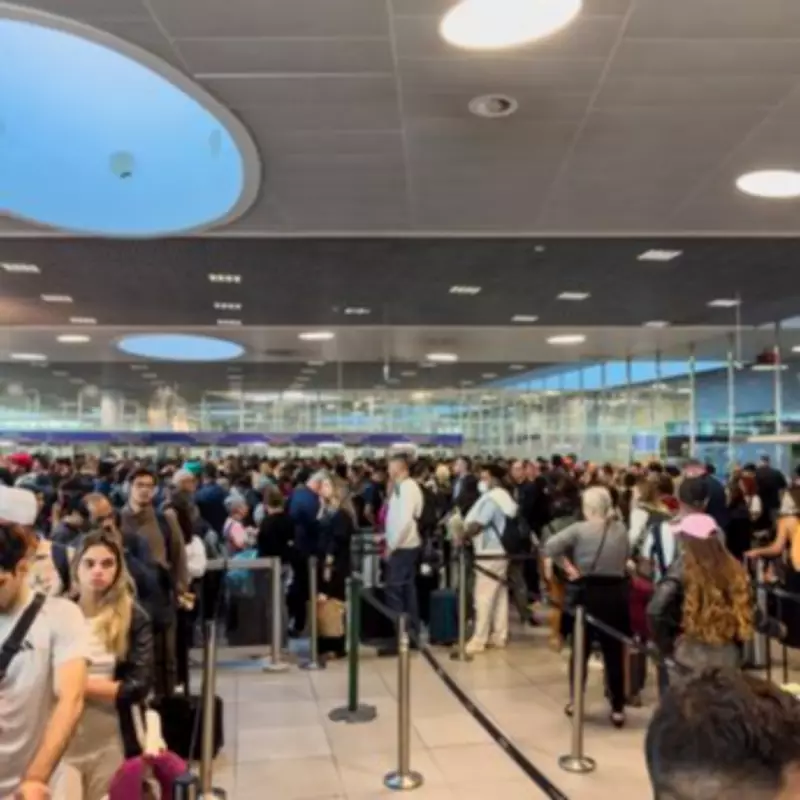
Experts warn that the initial rollout could lead to significant queues at major holiday hubs like Paris, Rome, Barcelona, and Amsterdam. Vykintas Maknickas from the travel eSIM app Saily notes that the transition period is likely to be particularly testing for busy airport staff, especially during peak travel times.
The timing of the launch coincides with the start of the high season for European city breaks and spring getaways. Increased passenger numbers during the Easter period could exacerbate any delays caused by the new processing requirements, making travel more stressful for families and groups.
Airport Preparations and Traveller Advice
Many airports are expected to introduce self-service kiosks to help manage the influx of passengers needing to register their data. However, travellers should still be prepared for border checks to take longer than they have in previous years, as staff and systems adjust to the new procedures.
EU passport holders are exempt from these specific changes and will not need to provide biometric data at the border. For British families and groups, this could mean different processing times depending on the nationality of each traveller, potentially causing further complications.
To minimise stress, experts recommend allowing extra time for arrival and keeping passports ready to present to officials. It is also advised to follow new airport signage closely, as some terminals may open dedicated EES lanes to streamline the process.
Long-Term Implications and Connectivity Tips
Ensuring you have reliable mobile connectivity upon arrival is more important than ever to access digital travel updates during delays. While the system aims to streamline travel in the long run by enhancing security and efficiency, patience will be essential during these first few weeks of implementation.
The countries in the Schengen area include Austria, Belgium, Bulgaria, Croatia, Czechia, Denmark, Estonia, Finland, France, Germany, Greece, Hungary, Iceland, Italy, Latvia, Liechtenstein, Lithuania, Luxembourg, Malta, Netherlands, Norway, Poland, Portugal, Romania, Slovakia, Slovenia, Spain, Sweden, and Switzerland. The Republic of Ireland and Cyprus are not within the Schengen area, so EES is not applicable when travelling to either of these countries.