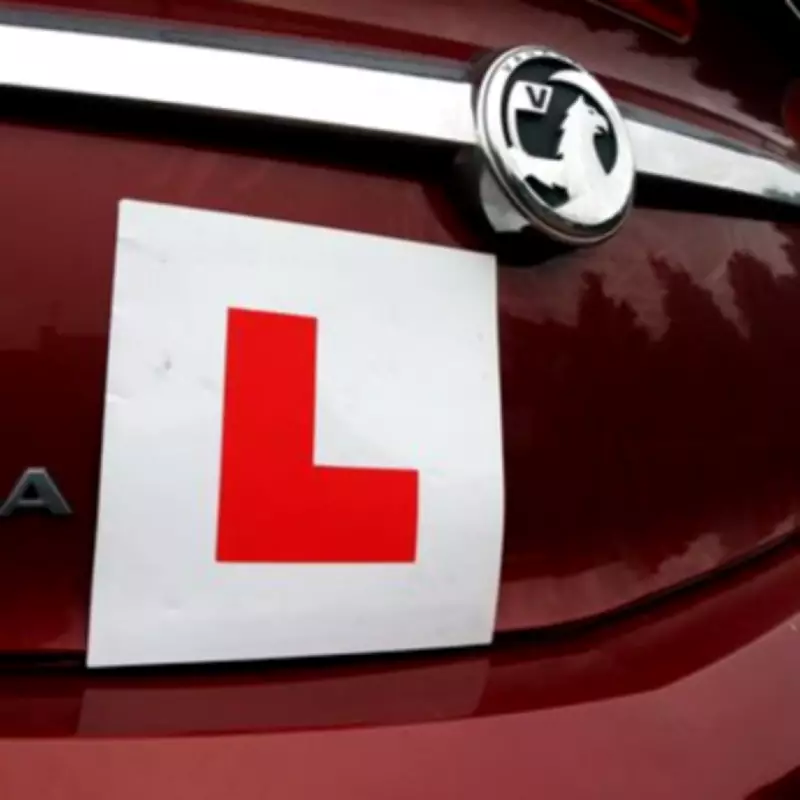
Major changes to driving test bookings come into effect from Tuesday, May 12, 2026, affecting all learner drivers in England, Scotland and Wales. The new rules build on modifications introduced earlier this year and are part of efforts by the Driver and Vehicle Standards Agency (DVSA) to tackle problems caused by scammers block-booking test slots.
Key Changes from May 12
From Tuesday, only the learner themselves will be allowed to book, change or cancel their car driving test. Driving instructors are no longer authorised to book on behalf of their students. The DVSA states on GOV.UK: 'From May 12, 2026, you will need to book your car driving test yourself on GOV.UK. Your driving instructor will not be allowed to book it for you.'
Before booking, learners must speak with their instructor to confirm they are ready for the test and obtain the instructor's reference number. This number should be entered when booking to ensure the instructor is available on the test date.
Additional Restrictions
Learners will only be allowed to transfer their test to neighbouring test centres and can make a maximum of two amendments to their appointment. They must also confirm they are the learner taking the test and accept updated terms and conditions.
These changes follow earlier restrictions introduced in March, which reduced the number of times a learner could amend their booking from six to two.
Expert Reaction
Matt Crole-Rees, motoring expert at Confused.com, commented: 'From tomorrow, new DVSA rules mean only the learner taking the test will be able to book, change or cancel their practical driving test appointment. This is another big shift for learners trying to get on the roads, especially following the earlier March changes. While these are designed to reduce the use of unofficial websites to secure earlier test dates, the latest rules could make it harder for learners to feel in control.'
Research by Confused.com shows that since 2021, around six million driving tests have been taken, but only about half resulted in a pass. Pass rates vary hugely between test centres, ranging from as low as 33% to as high as 80%. For learners in lower-performing areas or places with long waiting times, less flexibility could mean more retakes, more waiting and higher costs.
Crole-Rees advised: 'Plan carefully, only take the test when really prepared, and understand how local test centres perform before booking. Our driving test pass rate calculator helps learners compare nearby centres so they can make a more informed decision.'