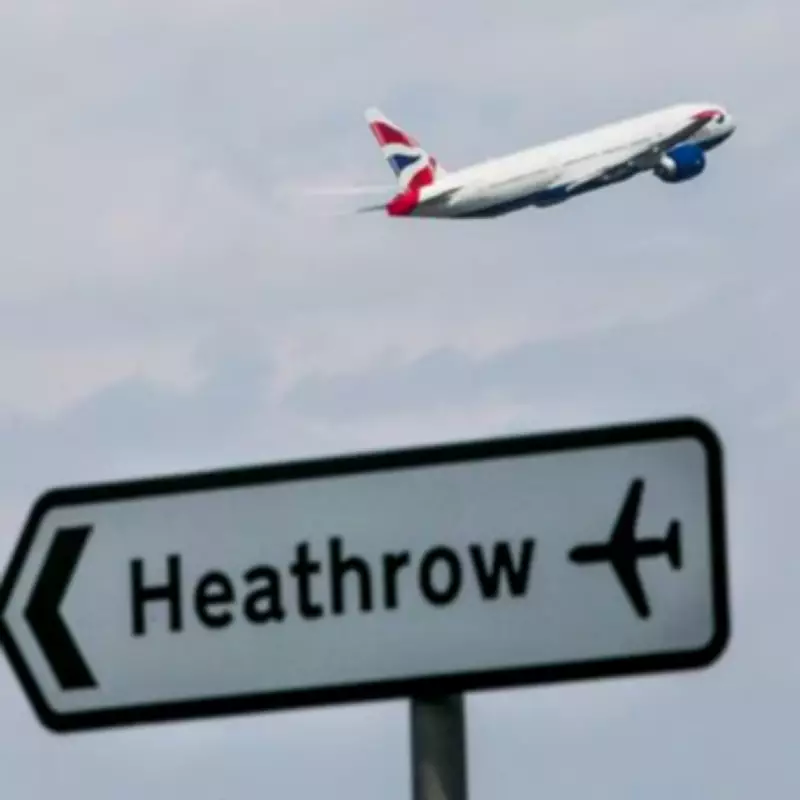
Heathrow Airport has commenced the new year by shattering its previous traffic records, yet simultaneously delivered a sobering caution that its prestigious European crown hangs in the balance without decisive progress on expansion. The aviation hub's leadership has framed this moment as a critical juncture for both the airport's future and the broader UK economy.
Record-Breaking Passenger Numbers Amid Expansion Warnings
January witnessed approximately 6.5 million passengers traversing through Heathrow's terminals, marking a significant 2.2 per cent increase compared to the same period last year. This achievement establishes the month as the busiest January in the airport's operational history. Notably, the period featured multiple peak days where passenger numbers soared beyond 250,000, comfortably exceeding the previous January's record of 246,000 daily passengers.
Despite these impressive milestones, airport executives have utilised the positive data to underscore a pressing concern. Chief Executive Thomas Woldbye articulated the precarious situation, stating, "We remain Europe's largest airport, but latest figures indicate we may relinquish that position as early as 2026. We cannot continue to drive growth for the UK economy without addressing our capacity constraints." He emphasised that the government's decisions throughout this year are "essential to enable the delivery of the UK's flagship growth project."
Expansion Project Moves into Preparatory Phase
As of February 2026, the long-debated expansion scheme for Britain's premier aviation gateway has officially transitioned from a paused state into an active preparatory phase. This shift follows the government's formal endorsement of the Northwest Runway scheme in late 2025. The project now faces a series of critical regulatory hurdles that must be navigated throughout the coming year.
The expansion initiative has received backing from Chancellor Rachel Reeves, who positioned it as a cornerstone of the government's growth strategy at the start of 2025. Reeves informed business leaders that the Heathrow development would "make Britain the world's best connected place to conduct business," highlighting its perceived economic importance.
Financial Pressures and Political Opposition
Towards the end of January, Heathrow disclosed significant financial challenges that threaten to undermine its operational success. The company revealed that its profit had plummeted by 38 per cent during the nine months leading to October, attributing this decline to higher-than-anticipated expenses. Management specifically identified mounting staff costs and the government's controversial business rates policy as primary factors placing substantial pressure on the bottom line.
Political resistance continues to shadow the expansion plans, echoing historical obstacles rooted in environmental concerns. London Mayor Sadiq Khan maintains his opposition to a third runway, stating last year that he "remains opposed" to the development. The Mayor articulated his position clearly: "I remain opposed to a new runway at Heathrow airport because of the severe impact it will have on noise, air pollution and meeting our climate change targets."
The airport now finds itself navigating a complex landscape where record-breaking passenger demand, financial pressures, political opposition, and the urgent need for infrastructure development converge, creating a pivotal moment for UK aviation.