UK Tourists Face Travel Chaos as Italian Airport Fuel Crisis Deepens
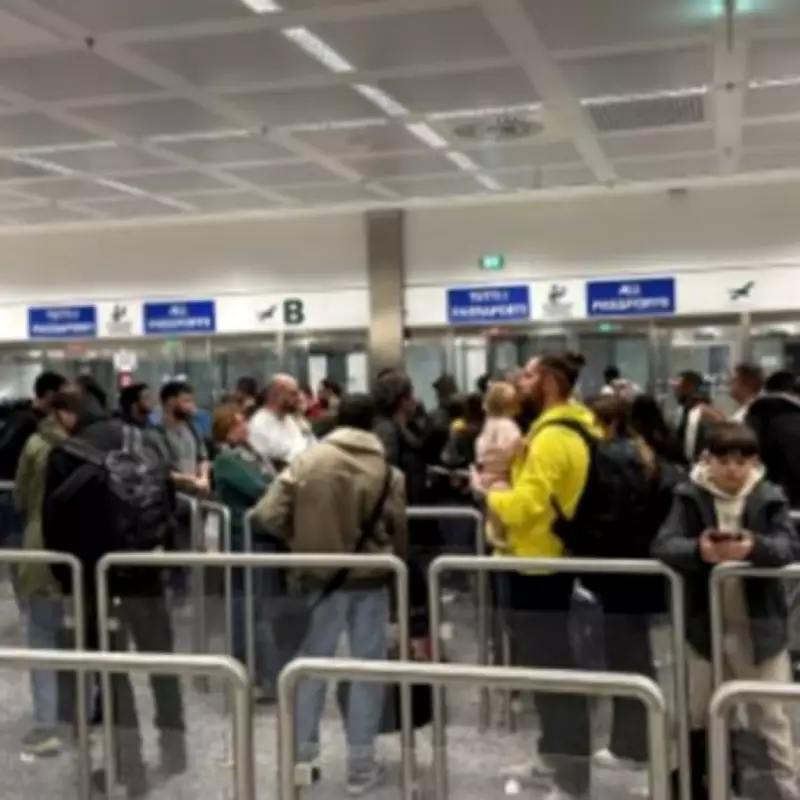
UK tourists planning trips to Italy, a popular European Union holiday destination, are being warned that their travel plans could be thrown into chaos due to a severe aviation fuel shortage affecting multiple airports across the country. The crisis, stemming from ongoing tensions in the Gulf region, has created significant operational challenges at several key Italian airports.
Fuel Shortages Hit Major Italian Airports
According to recent reports, a string of popular airports in Italy have either run out of aviation fuel or are rapidly depleting their supplies. Despite a ceasefire agreement between the US, Israel, and Iran, the effects of the Strait of Hormuz blockade are now reaching Europe, with holiday airports being particularly impacted.
In southern Italy, Brindisi Airport in Apulia is currently running out of fuel. Meanwhile, Reggio Calabria has implemented maximum fuel quotas, and Pescara is relying on just a single tanker with limited capacity to service flights. Other major airports experiencing limited services include Milan Linate, Venice, Treviso, and Bologna.
Global Airline Response to Fuel Crisis
The aviation fuel shortage is having ripple effects across the airline industry. Air New Zealand announced on Tuesday that it would slash flights across May and June, following previous cuts last month. The airline stated that the "vast majority" of affected customers were being offered alternative flights on the same day.
"Like airlines globally, we're experiencing jet fuel prices that are more than double what they would usually be," an Air New Zealand spokesperson explained.
Air India has responded to the crisis by changing its fuel surcharge structure on domestic flights from a flat fee to one based on flight distance. The airline has also increased surcharges for international flights, citing "one of the most challenging fuel cost environments that airlines globally have faced in recent years."
Analyst Perspectives on the Crisis
Mick Strautmann, an analyst at data firm Vortexa, highlighted the severity of the situation: "Starting from an already tight market, the current lack of Middle East jet fuel exports is worsening the situation. Given global jet fuel exports are currently at their lowest point in four years, the same level of air travel demand will likely not be sustainable if disruptions persist."
Strautmann warned that airlines would likely need to increase prices further and reduce flight numbers if the disruptions continue.
Susannah Streeter, chief investment strategist at Wealth Club, noted some positive developments in financial markets: "A wave of relief has hit financial markets after threats of a devastating escalation of the war were replaced by a temporary truce. The FTSE 100 has jumped on the open, on the back of sharp gains for indices in Asia."
She added: "The two-week ceasefire is likely to be fraught with uncertainty but for now there are hopes that it will be a precursor to a longer-lasting agreement. There is a chance that the cost of living crisis consumers are already having to deal with may not be quite as painful."
The situation remains fluid, with UK tourists advised to monitor their flight status closely and prepare for potential disruptions when traveling to Italy during this period of aviation fuel uncertainty.