Ryanair CEO Issues Summer Travel Alert Over Jet Fuel Supply Concerns
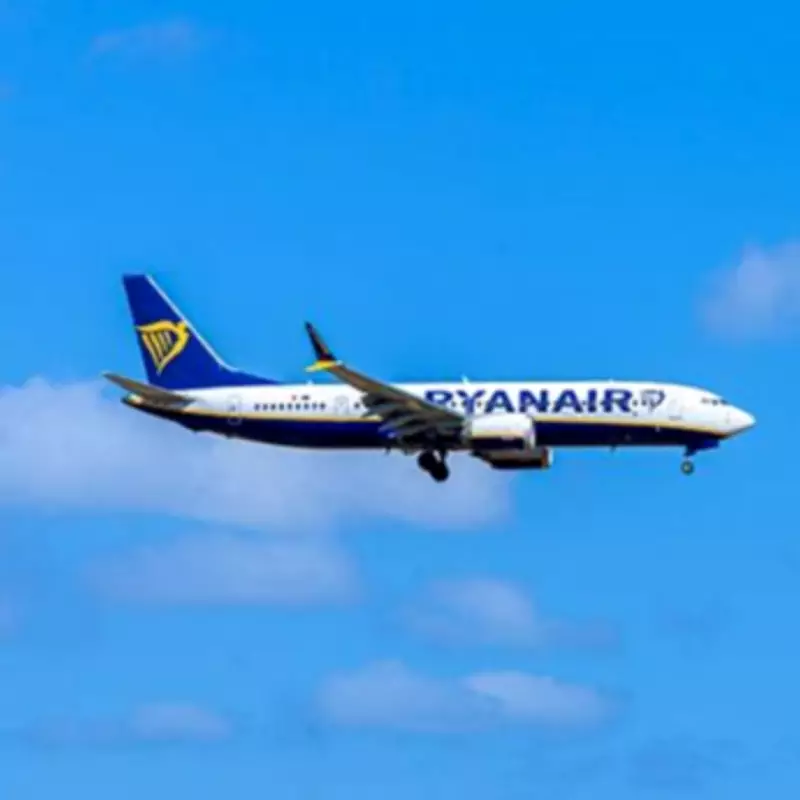
Ryanair chief executive Michael O'Leary has issued a stark warning to UK tourists about potential disruptions to aviation fuel supplies this summer, directly linked to the ongoing conflict in Iran. The alert highlights how geopolitical tensions could ripple through the travel industry during the peak holiday season.
Strait of Hormuz Blockade Threatens European Fuel Supply
Since the conflict began on February 28, when United States and Israeli forces launched coordinated air strikes against Iranian targets, Iran has effectively blocked vessel passage through the critical Strait of Hormuz. This strategic waterway carries approximately 20% of the world's oil and liquefied natural gas supplies, and crucially, around 40% of Europe's jet fuel supplies.
The blockade has already triggered significant market reactions, with oil prices surging dramatically. Fatih Birol, Executive Director of the International Energy Agency, recently stated that the world is facing a worse energy crisis than the combined impact of the two 1970s oil crises and the war in Ukraine.
Ryanair's Fuel Position and Price Pressures
In an interview with Sky News, Michael O'Leary revealed that while Ryanair is reasonably well hedged on 80% of its fuel requirements, the remaining 20% is currently being purchased at nearly double the usual price. This unhedged portion is costing approximately $150 (£113) per barrel, compared to more typical market rates.
O'Leary emphasized that rising oil prices represent just one aspect of the wider ramifications of the conflict, but identified jet fuel supply as the immediate concern for the airline industry. He explained that fuel suppliers are constantly monitoring the volatile market situation.
Potential Timeline for Disruption
The Ryanair CEO outlined a specific risk window for travelers, stating: We don't expect any disruption until early May, but if the war continues, we do run the risk of supply disruptions in Europe in May and June.
O'Leary quantified the potential impact, estimating a reasonable risk that 10% to 25% of Ryanair's fuel supplies might be at risk during those critical summer months. He expressed hope that the conflict would conclude sooner rather than later to eliminate this supply threat.
The executive provided a clear contingency scenario: If the war finishes by April and the Strait of Hormuz reopens, then there is almost no risk to supply. This statement underscores how the resolution timeline directly correlates with potential travel disruptions for UK tourists planning summer getaways.
As the situation develops, airlines across Europe are closely watching fuel availability, with Ryanair's warning serving as an early indicator of potential challenges that could affect holiday travel plans throughout the peak summer season.