Ryanair Flight Declares Mid-Air Emergency, Returns to Manchester
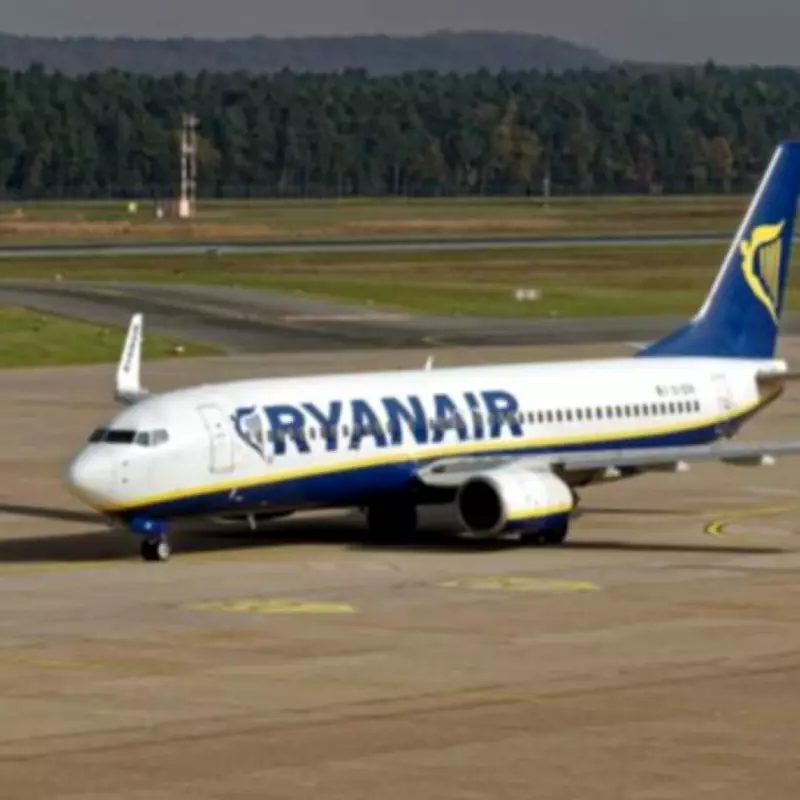
A Ryanair flight from the United Kingdom was compelled to execute a U-turn after declaring a 'mid-air emergency' while en route to Norway. The incident, which unfolded over the North Sea, prompted the activation of an international distress signal, leading to the aircraft's swift return to Manchester Airport.
Flight Details and Emergency Signal
Flight RK3226 departed from Manchester Airport at 8:39 AM, destined for Sandefjord Airport, Torp, in Norway. The flight had already experienced a one-hour delay prior to takeoff. Approximately 40 minutes into the journey, while cruising at an altitude of 37,000 feet, the pilot transmitted the Squawk 7700 code. This code is universally recognized as an indicator of a general emergency in aviation, alerting air traffic control to the situation.
According to flight tracking data, the aircraft immediately initiated a sharp turn back towards the UK coastline. It was closely monitored by air traffic control throughout its return and was granted priority for landing. The plane safely touched down on runway 23R at Manchester Airport at 9:55 AM.
Airline Statement and Passenger Arrangements
A spokesperson for Ryanair addressed the incident, attributing the diversion to a 'minor technical issue' with the aircraft. In a statement, the spokesperson clarified, "This flight from Manchester to Oslo Torp diverted back to Manchester due to a minor technical issue with the aircraft. To minimise disruption, we arranged for a replacement aircraft to operate this flight to Oslo Torp."
The replacement aircraft subsequently departed for Oslo Torp at 11:21 AM local time. Passengers were transferred to this alternative flight to continue their journey, ensuring minimal inconvenience despite the unexpected turn of events.
Understanding the Emergency Code
The Squawk 7700 code is a critical component of aviation safety protocols. When a pilot inputs this four-digit code into the aircraft's transponder, it immediately notifies air traffic control that the plane is in distress and requires urgent priority handling. It serves as a 'catch-all' for various emergency situations, excluding specific codes for hijackings (7500) or radio failures (7600).
Although the nature of this incident was described as minor by the airline, the use of the emergency code underscores the seriousness with which such situations are treated in aviation. The swift response and safe landing highlight the effectiveness of established safety measures in ensuring passenger security during unforeseen events.