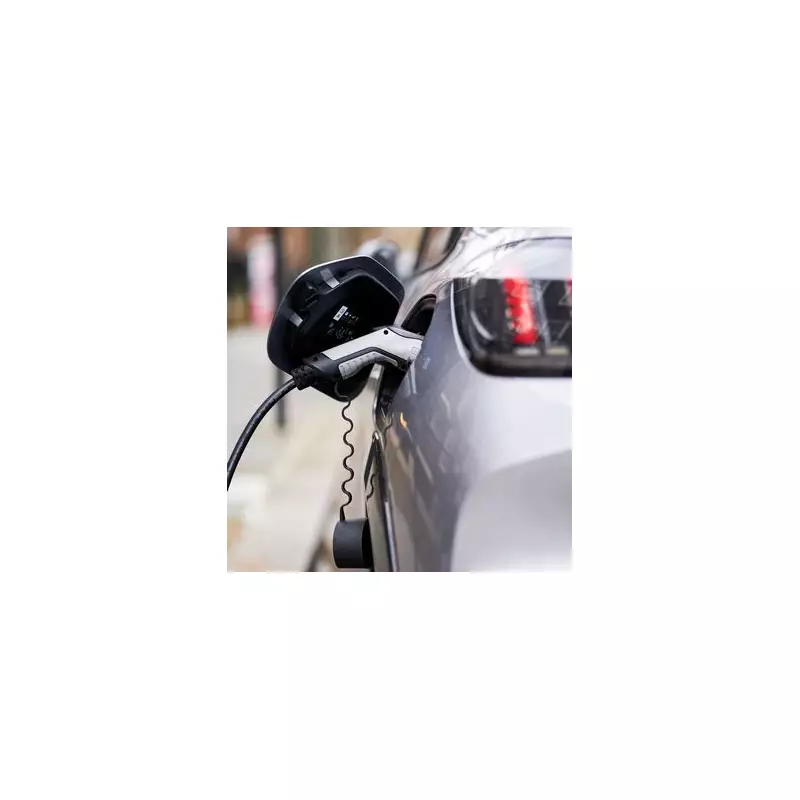
Millions of UK households without access to a driveway could soon benefit from dramatically cheaper electric vehicle running costs under new government proposals.
Breaking Down the Charging Barrier
Last month, the Department for Transport and the Office for Zero Emission Vehicles confirmed it will consider cutting red tape surrounding electric car charging station installations. Currently, homeowners face application fees running into hundreds of pounds, creating a significant financial barrier.
For those with driveways, electric car ownership is straightforward, allowing for convenient overnight charging with dedicated plugs. However, renters and those without driveways often struggle to top-up their vehicles, putting EV ownership out of practical reach.
What the New Rules Mean for You
The proposed guidelines are expected to remove strict planning permission requirements, particularly for installing discreet cross-pavement charging gullies. This change would grant more motorists access to domestic electricity rates instead of relying on expensive public charging points.
The Department for Transport stated: "The reforms would give more people access to domestic electricity rates, enabling families to run their EVs for as little as 2p per mile – the equivalent of London to Birmingham for £2.50."
The plan also includes mandating chargepoints in new covered car parks, further expanding accessible charging infrastructure beyond private driveways.
Electric Vehicle Sales on the Rise
This regulatory shift comes as electric car sales show strong growth. According to data from the Society of Motor Manufacturers and Traders (SMMT), 36,830 battery electric vehicles were registered in October 2025, representing a 23.6 per cent increase compared to the same period last year.
The surge is partly driven by more affordable models entering the market, making electric vehicles increasingly accessible to a broader range of consumers. These new charging regulations could accelerate this trend further by removing one of the last major practical obstacles to EV ownership for urban residents and those without off-street parking.