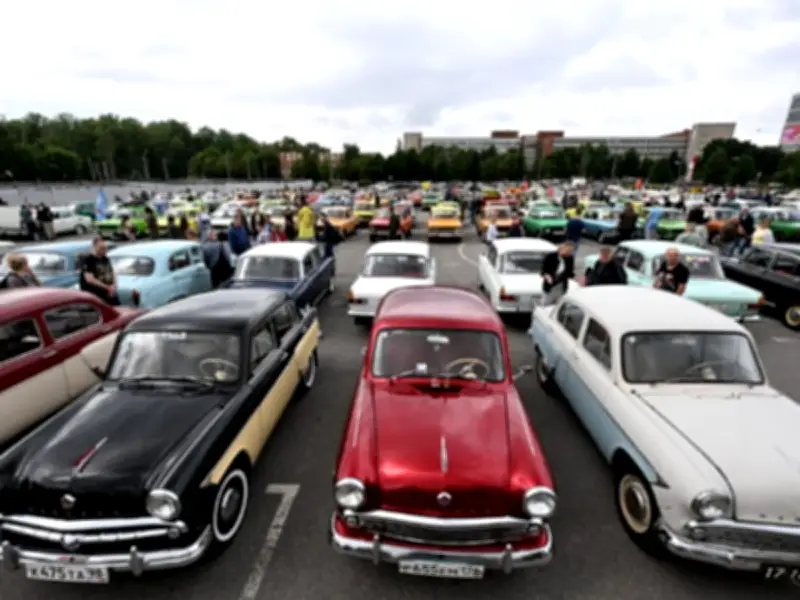
The Historic and Classic Vehicles Alliance (HCVA) has officially published its new Minimum Professional Standards (MPS) for converting classic and historic cars to electric power. This significant update directly affects approximately 1.1 million vehicles currently registered in the UK's historic vehicles tax class, setting a clearer path for owners and businesses involved in EV conversions.
The MPS has been developed to promote best practice across the sector. All HCVA members are required to commit to a formal Code of Conduct, ensuring that any conversion work is carried out to a high and consistent standard. For owners, this means greater confidence in the safety and quality of the work they commission on their cherished vehicles.
Why the Standards Matter
According to the HCVA, the new standards are designed to give buyers confidence in the increasingly popular process of turning a classic car into an electric vehicle. The MPS also provides HCVA members with access to specialist insurance underwriting for EV-converted vehicles, a crucial step in protecting owners and their investments.
Dale Keller, CEO of the HCVA, said: "Converting a historic or classic vehicle to electric motive power is a significant engineering undertaking that should only be carried out by competent professionals."
He added: "Our new Minimum Professional Standards, developed by industry experts and made available to UK regulatory agencies, establish a benchmark for safety and quality, helping owners make informed choices while supporting businesses committed to the highest professional standards."
This initiative demonstrates the historic vehicle sector's proactive approach to self-regulation, providing greater confidence for consumers, insurers and policymakers alike, according to Keller.
MOT and Vehicle Tax Exemptions
For classic car owners, the update comes alongside existing exemptions that many may already be aware of. You do not need to get an MOT if your vehicle was built or first registered more than 40 years ago and no 'substantial changes' have been made to the vehicle. Substantial changes include replacing the chassis, body, axles or engine in a way that changes how the vehicle works.
In addition, if your vehicle was built before 1 January 1986, you can stop paying vehicle tax from 1 April 2026. If you do not know the exact build date, but the vehicle was registered before 8 January 1986, you will also be exempt from vehicle tax from that date.
Penalties for Unsafe Vehicles
Owners are reminded that using a vehicle in a dangerous condition is a serious offence, even if it is exempt from MOT and vehicle tax. You can be fined up to £2,500 and receive 3 penalty points for using a vehicle in such a condition.
The introduction of the MPS is a clear signal that the historic vehicle community is taking a proactive role in ensuring that EV conversions are carried out responsibly. By setting a benchmark for safety and quality, the HCVA aims to protect the integrity of classic cars while embracing modern technology.