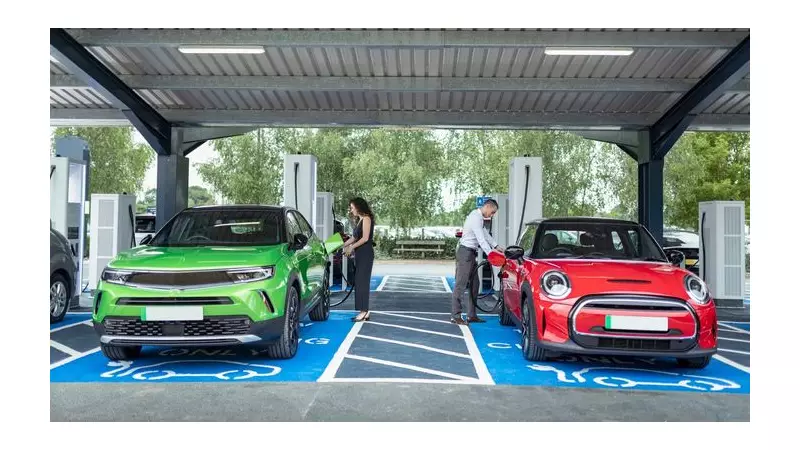
The Government has disclosed that more than 50,000 individuals have taken advantage of the Electric Car Grant, a scheme offering a substantial £3,750 reduction on the purchase price of new electric vehicles. This initiative is part of a broader push to encourage greener transportation, with households potentially saving around £1,400 annually on fuel costs by making the switch.
Financial Incentives and Future Tax Implications
While the grant presents an attractive upfront saving, motoring experts are raising alarms about a forthcoming 'pay-per-mile' tax that could offset these benefits. Scheduled to commence in April 2028, this new levy will impose a 3p charge per mile for electric car owners, with plug-in hybrid drivers facing a 1.5p-per-mile fee that will increase annually with inflation.
This tax introduction coincides with a decline in the resale value of popular second-hand electric vehicles. According to the AA Cars Used Car Index, average prices for top-tier hybrid and electric models fell to £16,826 by the end of 2025, leaving some early adopters financially disadvantaged.
Real-World Performance and Battery Concerns
Beyond financial considerations, the practical performance of used electric vehicles often fails to meet initial expectations. Independent testing by What Car? reveals a significant 'range gap,' where a used Nissan Leaf might only achieve 100 miles in cold conditions, far below advertised figures. The EV Database notes that cold weather can reduce battery efficiency by up to 35% compared to laboratory tests.
Further compounding these issues, a comprehensive study by Geotab indicates that older EV batteries lose approximately 2.3% of their capacity each year, adding complexity to the investment in a used electric car.
Government and Industry Perspectives
Aviation and Decarbonisation Minister Keir Mather remains optimistic, asserting that 'going electric has never been easier' and highlighting ongoing efforts to expand the national network of 87,000 public chargers. He emphasises the campaign's goal to demonstrate how families can save thousands through the transition.
For business owners, corporate leasing and tax breaks offer a silver lining. Colin Low, managing director at Ipswich-based Kingsfleet, points out that the 'Benefit in Kind' tax rate remains at a low 3%, making electric vehicles a cost-effective option for companies compared to traditional petrol engines.
Criticism and Public Sentiment
Not all stakeholders are convinced by the Government's approach. Colette Mason, a consultant at London’s Clever Clogs AI, describes the messaging as 'deeply conflicted,' with current incentives seemingly at odds with confirmed future taxes. She warns that this could lead the public to question whether early adoption is genuinely encouraged or merely a short-term strategy before new levies are applied.
This sentiment is echoed by Rohit Parmar-Mistry of Pattrn Data, who labels the situation a 'classic bait-and-switch' and calls for greater respect for motorists, rather than treating them as 'data points to be monetised.'
Essential Checks for Used EV Buyers
Prospective buyers of second-hand electric vehicles are advised to conduct thorough checks to avoid common pitfalls:
- Demand a State of Health (SoH) Certificate: Ensure retailers provide this third-party report to verify remaining battery capacity, aiming for a score of 92% or higher for a three-year-old car.
- Review the Charging History: Cars that rely on DC Fast Charging for over 12% of their life may degrade faster; prefer vehicles primarily charged at home.
- Inspect Mechanical Components: Check tyres for uneven wear and listen for unusual noises during test drives, as EVs' silence makes any rattles more noticeable.
- Verify Warranty Transfer: Obtain written confirmation that the battery warranty is active and transferred to your name, ensuring no unauthorised repairs have voided it.
- Check Charging Cables: Ensure both Type 2 and 'Granny Cables' are present and free from corrosion or burn marks, as replacements can be costly.
As the electric vehicle market evolves, balancing immediate incentives with long-term costs remains a critical challenge for UK drivers and policymakers alike.