The Labour government has ignited controversy with a new tax policy that directly targets electric vehicle (EV) drivers, introducing what industry figures are calling a significant new hurdle for adoption.
A New Charge for Zero-Emission Driving
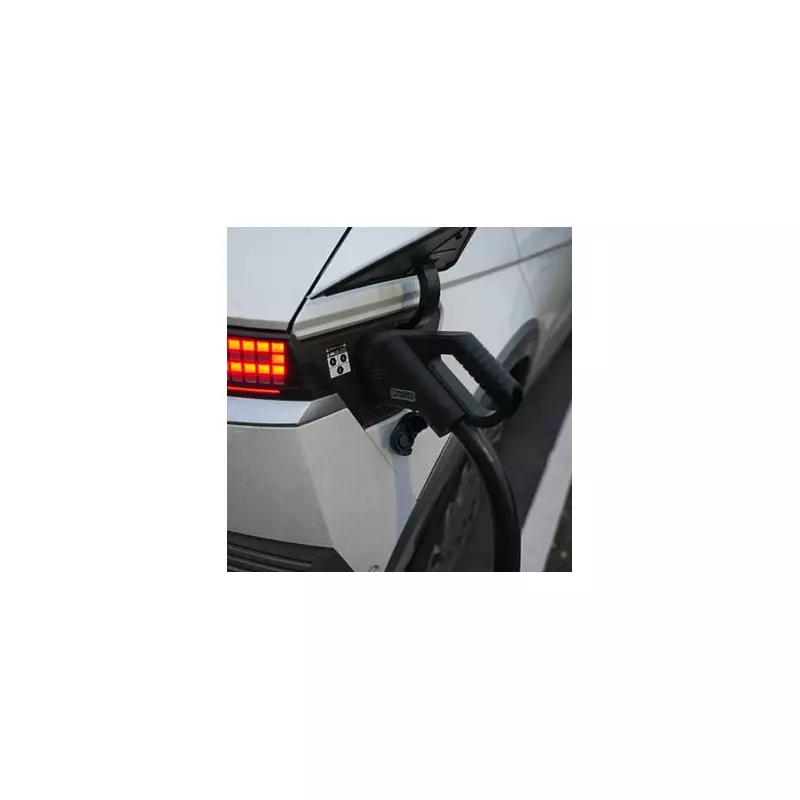
Under the shake-up, drivers of fully electric vehicles will face a new mileage-based tax of 3p for every mile they drive. For motorists using plug-in hybrid electric vehicles (PHEVs), the rate has been set at 1.5p per mile. The policy, overseen by Chancellor Rachel Reeves, has drawn immediate fire from across the automotive and charging sectors for threatening to stifle the UK's transition to cleaner transport.
Industry Leaders Warn of Stalled Momentum
The reaction from key industry stakeholders has been one of unified dismay. Vicky Edmonds, Chief Executive Officer of EVA England, stated that the parallel introduction of a new electric tax within just two years is akin to "putting the brakes on any momentum" built to encourage drivers to switch. She emphasised the policy adds extra cost for those reliant on public charging, creating a "huge disincentive" at a critical time.
Echoing this sentiment, Asif Ghafoor, CEO of charge point operator Be.EV, described the system bluntly as "a new hurdle to adoption" for millions of UK motorists.
"Wrong Policy at the Wrong Time"
Perhaps the most stark criticism came from Matt Galvin, Managing Director of Polestar UK. He expressed deep disappointment at the tax disincentives, calling it "the wrong message at the wrong time." Galvin pointed to the existing ZEV (Zero Emission Vehicle) Mandate, which requires that 28% of new cars sold this year must be electric, as a policy now being undermined. With year-to-date EV sales in the UK lagging below 22%, he argued incentives are needed more than ever.
"Whilst people are seeing more of them, and that’s good... things like this will make them second-guess that judgement," Galvin warned. He fears consumers will now opt for another petrol, diesel, or plug-in hybrid instead, delaying the environmental benefits of full electrification. His concluding plea was for more incentives to get electric cars on consideration lists, not reasons for the public to ignore them.
The new tax marks a pivotal moment in UK transport policy, shifting the financial burden of road usage onto EV drivers who have previously benefited from lower running costs. The industry's forceful response indicates a major clash between governmental fiscal strategy and the practical realities of achieving the nation's net-zero transport goals.