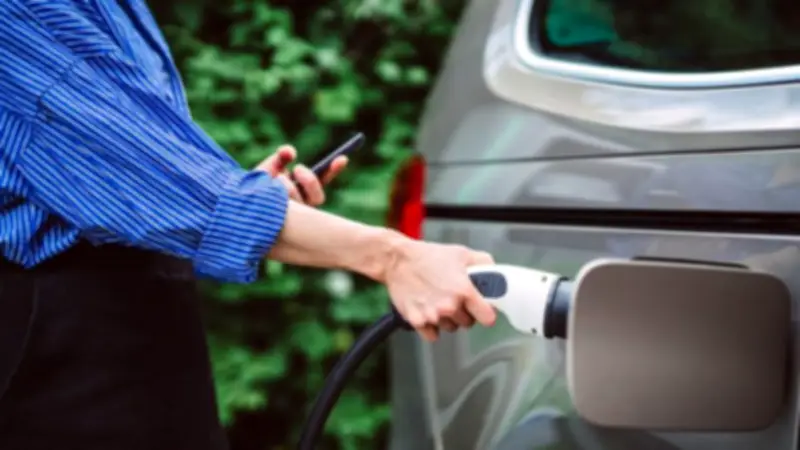
The Government has confirmed that a new pay-per-mile tax system for electric cars will launch next year. Following a lengthy consultation, the scheme will require zero-emission drivers to pay 3p per mile.
Many people who switched to cleaner vehicles did so thinking they would save money on long-term running costs. This change, due on April 1, means regular journeys will now come with a steady price tag that mirrors the running costs of conventionally powered vehicles.
How the eVED System Works
The new eVED system will be calculated using driver mileage estimates and an upfront charge based on that figure. Drivers will also have the option to spread the cost through monthly payments, much like standard VED.
Motorists will then submit an actual mileage reading at the end of the year, which will be verified by a mileage reading at the vehicle's annual MOT or, for new cars, around the second or third registration anniversary. At the close of the year, drivers will be able to view their balance and either settle any outstanding amount or spread this cost across the following 12-month period.
For new electric vehicles, there will be the option to incorporate eVED mileage into the on-the-road pricing of a car, or drivers can arrange this independently. However, as taxing drivers based on when and where they travel has been ruled out, EV owners will also face paying eVED when driving abroad, reports Neil Shaw on Devon Live.
Industry Concerns
The Government stated that it 'welcomes' an investigation into on-board telematics data that transmits mileage figures in real time. Nevertheless, Vicky Edmonds from the Electric Vehicle Association England (EVA), cautioned in a letter to the Chancellor that the move "does not work for drivers." The association says that the Government has introduced one positive adjustment for newer EVs, yet the broader scheme remains overly complicated, risks leaving motorists out of pocket and falls short of providing drivers with the reassurance they require.
"At such a crucial point in the switch to electric, ministers should be making the system simpler, fairer and easier to understand, not pressing ahead with a policy whose key faults remain unresolved," said Edmonds.
Comparing the Costs
To understand why the Treasury is introducing this 3p-per-mile charge, it helps to look at the wider tax picture. While petrol and diesel owners will pay less in flat road tax, they are hit heavily by fuel duty (around 53p to 58p per litre) plus 20% VAT every time they fill up, whereas EV drivers pay no fuel tax and 0% VAT on home charging - based on Andy Burnham's plan to cut VAT on electricity from this October.
As more people ditch fossil fuels, the government is facing a massive multi-billion-pound hole in its budget from lost fuel duty. This new mileage charge is their first step towards replacing that missing revenue.
Here is how the total estimated tax bills stack up over 7,000 miles of driving:
Vehicle Type: Average Petrol Car - Annual Road Tax £200, Annual Fuel Tax ~£600, Total Tax ~£800
Vehicle Type: Electric Car (From 2028) - Annual Road Tax £410, Annual Fuel Tax £0, Total Tax ~£410