One Third of EV Charging Stations Inaccurately Bill Drivers, Study Reveals
A comprehensive investigation has uncovered that approximately one in three public electric vehicle charging stations provides incorrect readings, potentially overcharging or undercharging drivers for the energy delivered to their vehicles. The findings highlight a significant discrepancy in consumer protection between EV owners and traditional petrol car drivers.
Widespread Inaccuracies in Energy Measurement
Inspection firm EVCI Global conducted extensive testing on public charging infrastructure and discovered that 31.5% of chargers were either overestimating or underestimating the amount of energy transferred to electric vehicles. The inaccuracies exceeded a 2% margin of error in many cases, with some devices providing readings that were substantially different from the actual electricity delivered.
Craig Marsden, Chief Executive of EVCI Global, reported an extreme case where a charger delivered 37% less electricity than indicated on its display. This level of discrepancy could result in drivers paying significantly more for less power or receiving inaccurate refunds for under-delivered energy.
Financial Risks for Electric Vehicle Owners
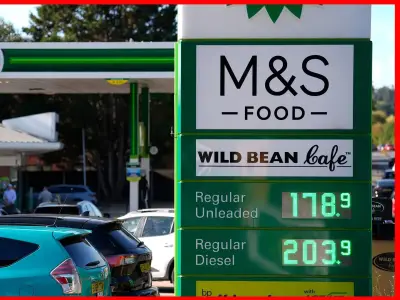
The study concludes that these measurement errors create a "two-tier system of consumer protection," where EV drivers face higher financial risks compared to owners of combustion engine vehicles. While petrol pumps are subject to strict accuracy regulations, the emerging EV charging network appears to have inconsistent compliance with similar standards.
Jarrod Birch, Head of Policy at EVCI Global, acknowledged that electricity measurement presents unique challenges compared to liquid fuel. "Electricity is different to fuel. It is harder to measure but charging an EV is also inherently more transparent than fuelling a petrol car," he stated. Drivers can monitor electricity consumption through their vehicle's software, providing some level of verification.
Industry Response and Regulatory Expectations
Birch emphasized that charge point operators, automobile manufacturers, and drivers all prioritize accuracy. He suggested that current issues might be isolated rather than systemic, noting that the charging industry already conducts independent testing and verification. "We are open to determining if this is a more widespread issue and if so would welcome collaboration between charge point operators, manufacturers and automakers to address it," he added.
A spokesperson for the Department for Transport clarified regulatory expectations: "Public EV charge points are expected to accurately measure and provide the electricity they state they deliver. Meters used at most public charge points are covered by regulations requiring accuracy to within 2%, which we expect all providers to adhere to."
The findings underscore the growing pains of transitioning to electric mobility, where infrastructure reliability and consumer trust are crucial for widespread adoption. As EV ownership continues to rise, ensuring accurate billing at charging stations becomes increasingly important for both consumer protection and the credibility of sustainable transportation initiatives.