As temperatures plummet this December, drivers across the UK are being urged to avoid a common winter habit that risks damaging their engines, harming the environment, and landing them with a significant fine.
The Idling Myth: Modern Cars Don't Need It
Michael Passingham, a senior cars researcher at consumer champion Which?, has addressed the perennial question of whether motorists should leave their car running to warm the engine up on cold mornings. His advice is clear: for the vast majority of drivers, this practice is unnecessary and harmful.
"No," he stated directly to social media users. "Only cars with carburettors need this to be done, and they haven't been made for more than 30 years." The sole exception he noted is if a driver simply desires a pre-warmed interior and a clear windscreen before a journey.
Passingham explained that manufacturer advice varies, but it is generally far better to begin driving gently soon after starting the engine, rather than letting it idle. This allows the engine to reach its optimal operating temperature more quickly, which reduces internal wear and also saves fuel.
The Risks: From Engine Wear to Hefty Fines
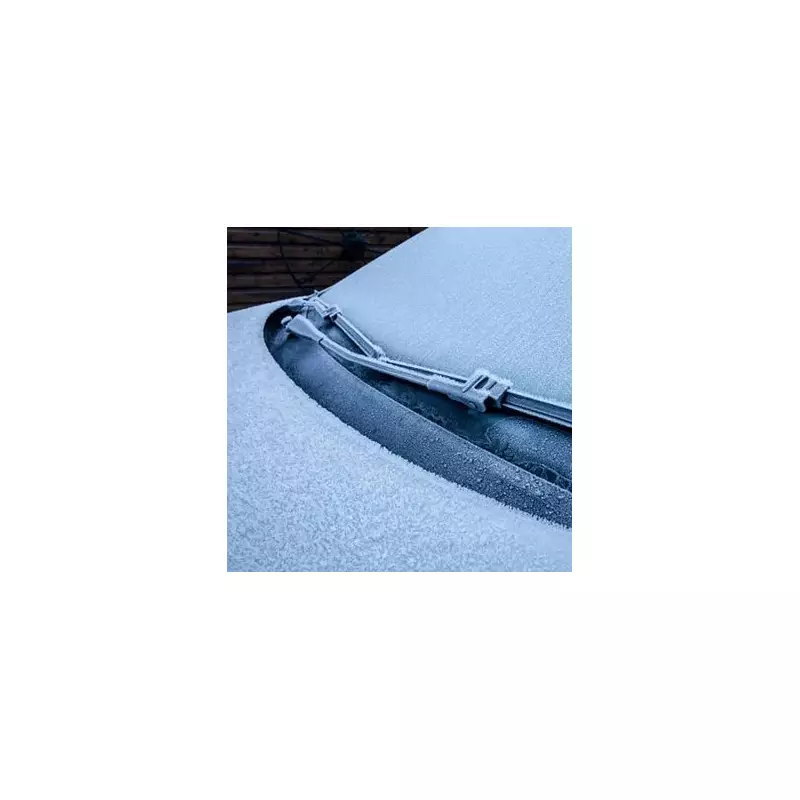
The guidance becomes particularly important when dealing with frost or ice. Experts strongly recommend using an ice scraper or a de-icing spray to clear windows, rather than leaving the car running unattended and relying on the heater.
This isn't just about vehicle health; it's a legal matter. Which? highlights that drivers can be fined for leaving their engine running to melt ice, frost, or snow while the vehicle is stationary on a public road. If instructed by an authority to switch off the engine and the driver refuses, they can receive a Fixed Penalty Notice.
The fine starts at £20. If this is not paid within 28 days, it doubles to £40. Failure to pay that within a further 14 days sees the penalty rise to £80. In cases of repeat offences, the fine can escalate to a maximum of £1,000.
Which? adds a crucial caveat: the offence specifically relates to idling on a 'public road'. It is not illegal on private land, such as a driveway. However, they stress that idling is still a poor practice anywhere, as an idling engine can produce up to twice the emissions of one in motion, polluting the immediate air quality.
Proactive Winter Car Care
To ensure your car is winter-ready, Which? advises sticking to the manufacturer's regular service schedule. A well-maintained car with clean oil and fresh filters will run more efficiently and is less likely to present costly problems.
Additionally, some manufacturers and dealers offer specific winter health checks. These assessments can identify potential issues and confirm a vehicle's safety for driving in colder, more challenging conditions.
For those seeking convenience, Passingham points to modern technology: "Some new cars have apps that you can turn the car on remotely and have the car ready when you're ready." This allows for legal pre-warming while the vehicle remains on private property.