As Christmas approaches, millions of motorists across the United Kingdom will be taking to the roads to visit loved ones. Whether you're facing a lengthy cross-country trek or a shorter local trip, thorough preparation of your vehicle and journey can significantly enhance safety and reduce stress. Conducting a few simple pre-travel inspections can help prevent inconvenient breakdowns, lower anxiety, and ensure the wellbeing of all passengers.
Master Your Journey and Vehicle Preparation
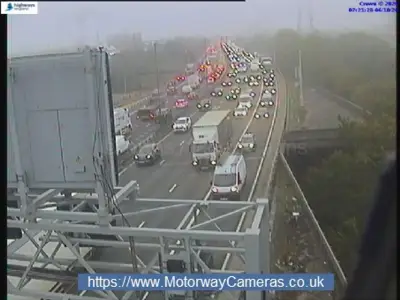
With falling temperatures and increasingly unpredictable winter conditions, advance planning is absolutely essential. Before departing, always check the latest traffic reports and weather forecasts. It is wise to identify alternative routes in case you encounter heavy congestion, accidents, or unexpected road closures. Choosing to travel during quieter, off-peak periods can make the drive far more pleasant and help you avoid lengthy queues. Even a modest amount of preparation can minimise disruption and lead to a more comfortable arrival at your destination.
If you are undertaking frequent trips over the holiday period, arranging a pre-journey vehicle service is one of the most effective ways to forestall unexpected mechanical failures. Fresh engine oil, clean filters, healthy spark plugs, and effective brake fluid all contribute to a smoother and safer driving experience. If you are not confident performing these checks yourself, a reputable garage can complete a full inspection and service on your behalf. This early investment can save considerable time, money, and hassle later on.
Critical Pre-Departure Car Checks
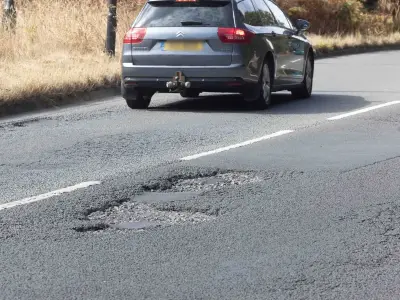
Before setting off, drivers should personally inspect several key components of their car. First, examine your tyres thoroughly for any signs of cuts, cracks, or general deterioration. Crucially, ensure the tread depth meets the UK legal minimum of 1.6mm, as poor tyre condition severely compromises grip, particularly in cold, wet, or icy weather.
Next, check all lights are functioning correctly, including headlights, brake lights, indicators, and hazard lights. This is vital for maintaining visibility during the short, dark winter days. Also, confirm you have sufficient fuel for the entire journey, or if you drive an electric vehicle, ensure you have adequate charge, planning for charging stops if necessary.
Packing for Comfort and Emergency Readiness
Long journeys become far more manageable when everyone in the car is well-fed and hydrated. Hunger and dehydration can impair a driver's focus and reaction times, increasing the risk of errors on the road. Packing ample snacks and drinks also helps keep children or other passengers content, reducing distractions and allowing the driver to concentrate fully.
It is equally important to plan sensible rest stops throughout your trip. Scheduling breaks helps maintain alertness and reduces fatigue, which is especially crucial during heavy festive traffic. Identify suitable service stations, cafés, or other places where you can safely stretch your legs. For longer trips, consider booking overnight accommodation to avoid the dangers of driving while tired. A good rule of thumb is to take a 15-minute break every two to three hours to sustain concentration.
Finally, prepare for the unexpected by packing a winter and emergency kit. This should include warm clothing such as hats, gloves, scarves, and blankets, which are invaluable in the event of a breakdown or long delay, particularly when travelling with children or elderly passengers. A basic first aid kit is also worth keeping in the car year-round, providing peace of mind and essential for treating minor injuries. Being prepared with these items can transform a potentially stressful situation into a manageable one.