With parts of the UK predicted to experience another heatwave next week, drivers are being told to make one important car check before Monday, July 6. Temperatures are expected to climb well above average and potentially exceed 30°C as an area of high pressure building from the Azores moves across the UK, triggering a prolonged spell of hot and settled weather beginning this weekend and lasting throughout next week.
Why Tyre Pressure Matters in Hot Weather
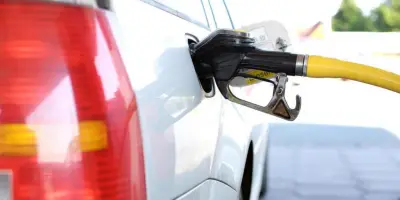
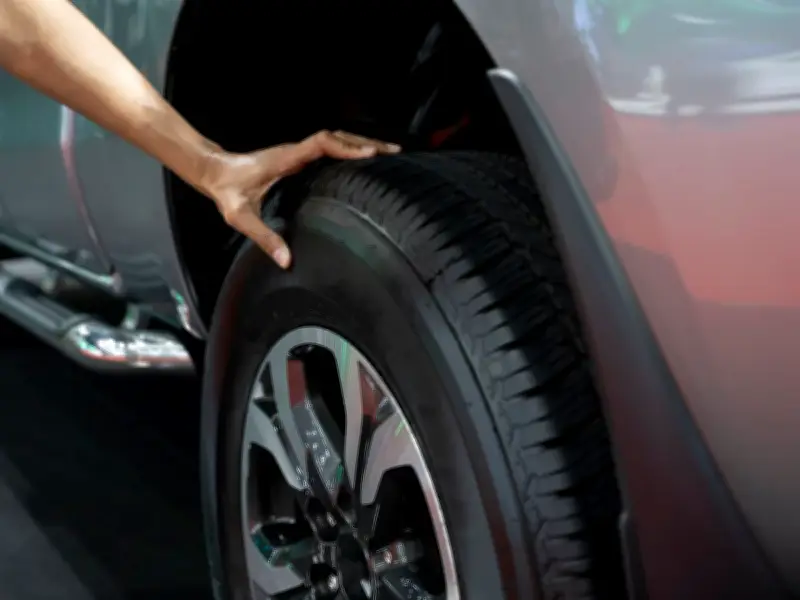
In addition to filling up their petrol, motorists are urged to take a few minutes to check their tyre pressure before setting off. While often overlooked, tyre pressure can fluctuate as temperatures change, and experts warn that incorrect tyre pressure can affect fuel efficiency, handling, and tyre wear. The reminder comes as recent data reveals that driving on under-inflated tyres is costing UK motorists at least £112 million every year.
Expert Advice on Tyre Checks
To help motorists make the most of this simple vehicle check, Matthew Briggs, CEO of Right Fuel Card, shares his expert motoring insights on the best way to monitor tyre pressure and ensure your vehicle is running efficiently and safely.
"Understanding how often you should check your tyre pressure is crucial, as incorrect pressure can lead to a range of avoidable issues," said Briggs. "Regular checks can improve safety by ensuring tyres are properly inflated, as under-inflated or over-inflated tyres reduce grip and braking performance, especially in wet conditions. This helps keep your vehicle stable and predictable on the road."
How to Check Your Tyre Pressure
Checking tyre pressure only takes a few minutes, however many people admit online they are confused about how to do it. Using the following steps can secure accurate readings.
1. Make Sure Your Tyres Are Cold
Tyre pressure should be checked when tyres are cold, ideally before driving. Warm tyres give higher readings and can be misleading.
2. Use a Reliable Pressure Gauge
To check your tyre pressure, you can use a handheld digital or manual gauge, or a petrol station air pump with a built-in gauge. Start by removing the valve cap, then press the gauge firmly onto the valve. Once the gauge is securely in place, note the reading to determine the tyre pressure.
3. Adjust the Pressure as Needed
Add air gradually if pressure is low, or release air carefully if pressure is too high. Recheck until it matches the manufacturer’s recommendation.