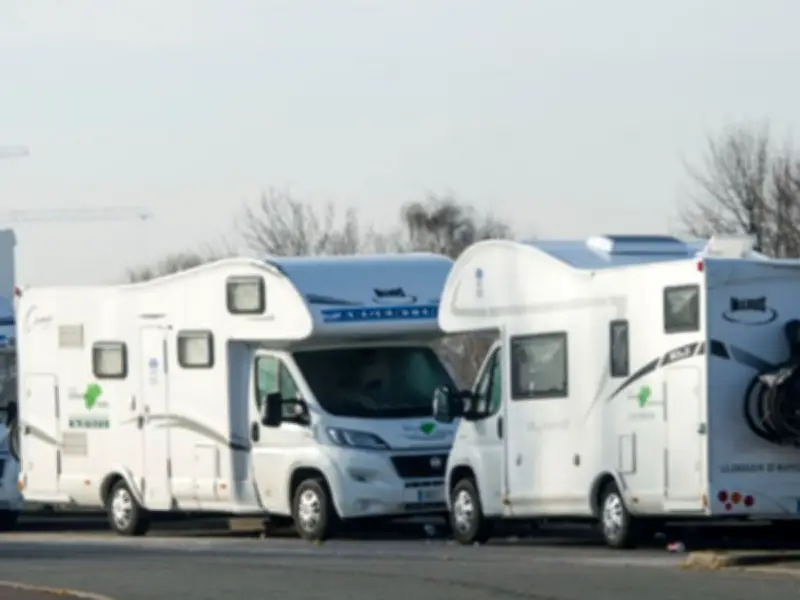
Motorhome and campervan drivers heading to the south coast this summer could be hit with fines of up to £1,000 under a strict overnight parking ban. Bournemouth, Christchurch and Poole (BCP) Council has made it clear that sleeping or camping in vehicles is not allowed anywhere along its 15 miles of coastline, including beaches, seafront promenades, cliffs and public car parks.
The local authority says the restrictions are in place to manage visitor numbers, protect the natural environment and prevent anti-social behaviour. With peak season in full swing, enforcement teams have been patrolling the area around the clock to catch anyone breaking the rules.
The council says the ban is part of its wider efforts to manage crowds, reduce environmental damage and prevent anti-social behaviour along the coast. This summer, visitors have been warned to come prepared or face the consequences.
What does the ban cover?
The prohibition applies to all forms of overnight accommodation, including motorhomes, campervans, caravans and tents. It also covers the use of outdoor camping equipment such as awnings, chairs, tables and washing lines, which the council considers as evidence of camping even if the vehicle is not occupied overnight.
BCP Council explicitly states that no overnight sleeping or camping is permitted on the beach, seafront, cliffs or in any council-run car parks. Drivers who are found to have set up camp in these areas may face prosecution, and the penalty can be as much as £1,000.
This means that even a quick overnight stop in a motorhome on a seafront car park could result in a fine, if the council deems that the vehicle is being used for sleeping. The authority has made clear that its definition of camping includes any form of overnight accommodation, and that outside equipment such as awnings or chairs will be treated as further evidence.
Why is enforcement being stepped up?
The council has previously warned visitors to come prepared, noting that a 24-hour beach patrol would be making repeated visits to gather evidence for prosecution. This summer, security officers have been stationed along the seafront to deal with a range of issues, including unauthorised campfires and overnight camping.
Cllr Bobbie Dove, portfolio holder for community safety and regulatory services, said: "It was great to see so many visitors come to enjoy our beautiful beaches over the weekend and make the most of the warm weather. Overnight beach camping however is not permitted and our security team, which is on hand to address anti-social behaviour, camp fires and camping, was out patrolling overnight along the 15 miles of seafront. They will proactively tackle any issues they come across and anyone caught camping risks prosecution and a £1,000 fine."
She added: "If members of the public need to report an issue they can do so on our website at 'Report a problem' (bcpcouncil.gov.uk). For anyone visiting Bournemouth, Christchurch or Poole wishing to stay overnight, we have an outstanding selection of local hotels or B&Bs and there are over 100 campsites across Dorset."
The council's enforcement approach includes repeated patrols and evidence gathering, and officers are instructed to tackle any issues they encounter. In previous warnings, the authority stressed that patrols would visit repeatedly to build a case against repeat offenders, making it more likely that serious breaches will end up in court.
Expert advice for motorhome drivers
Larne O'Donoghue, a spokesperson for YourParkingSpace, says the rules are far from uniform across the UK's coastal destinations, which can easily catch out unsuspecting travellers.
"A seaside break in a campervan should not start with a parking headache," he said. "Motorhome parking rules can vary significantly between coastal areas. Some places allow selected overnight stays, while others ban sleeping in vehicles altogether or restrict outdoor equipment such as awnings, chairs and washing lines. That is where drivers can get caught out, especially if they assume the rules will be the same as the last place they visited."
He added: "The safest approach is to check the exact car park before setting off, including whether overnight stays are allowed, whether the vehicle is permitted and what restrictions apply. By comparing options, checking restrictions and choosing a space that suits their vehicle and journey, drivers can start their break with more certainty."
O'Donoghue's advice is particularly relevant given the patchwork of rules that exists across the UK. Some local authorities welcome motorhome overnight parking in designated areas, while others issue blanket bans. Understanding the specific byelaws of each area is essential to avoid a costly mistake.
How to avoid a hefty fine
With the summer holidays continuing, anyone planning a trip in a motorhome or campervan should do their homework before leaving home. Checking local council websites, reading parking signs and booking a designated campsite in advance are all essential steps.
BCP Council offers a simple reporting system on its website for those who witness unauthorised camping. And for travellers who want to stay overnight near the coast without breaking the law, there are more than 100 campsites across Dorset, not to mention a wide range of hotels and bed and breakfasts.
The message from the council is clear: enjoy the beaches during the day, but leave overnight stops to legitimate sites — or risk a £1,000 fine and a criminal prosecution.