Major Funding Boost for Sprint Bus Project to Enhance Regional Travel
In a significant development for public transport in the region, the West Midlands Combined Authority's Investment Board has approved a substantial financial injection exceeding £30 million to finally bring the long-awaited Sprint bus scheme into operation. This decision, made during a meeting on Monday, February 23, 2026, marks a crucial step forward after years of delays and planning.
Investment Details and Vehicle Acquisition
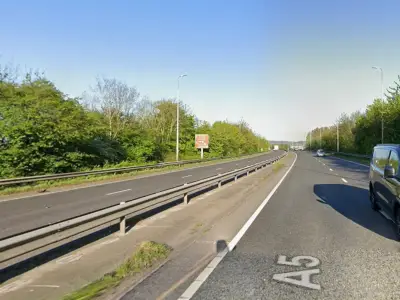
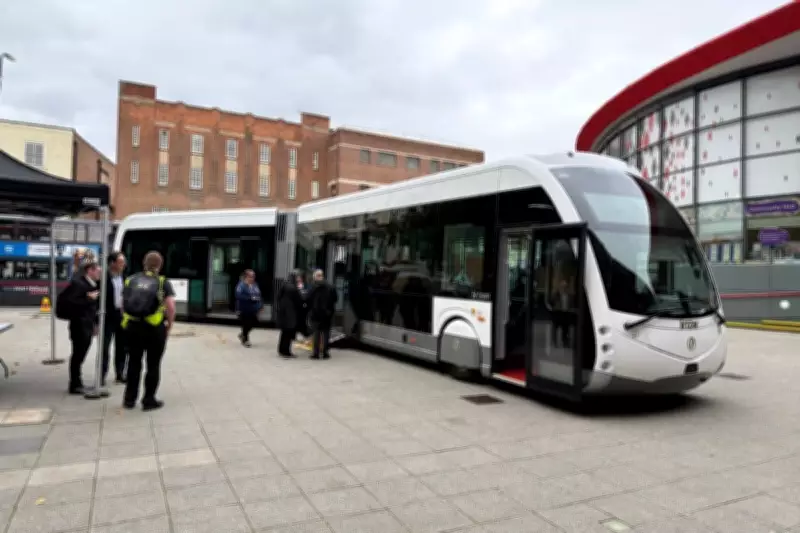
The funding allocation includes £26 million dedicated to purchasing 24 state-of-the-art electric buses that mimic the design and efficiency of trams, along with the necessary charging infrastructure. An additional £5.5 million has been earmarked for advanced ticketing equipment to streamline passenger transactions. This investment aims to revolutionize bus travel along the A34 and A45 corridors, creating a continuous bus priority route that promises to cut journey times significantly.
Project Goals and Passenger Benefits
The Sprint scheme is designed to make commuting between Walsall, Birmingham, and Solihull quicker and more convenient by implementing dedicated bus lanes and priority junctions. Transport for West Midlands has emphasized that the new vehicles will feature easier and faster boarding processes, similar to tram systems, and will be fully accessible with ample space for wheelchairs and pushchairs. Passengers will also benefit from seamless integration with existing metro and rail services along the route, enhancing the overall travel experience.
Overcoming Delays and Infrastructure Progress
Originally announced in 2018 with an expected completion date aligned with the 2022 Commonwealth Games, the Sprint project has faced numerous setbacks, including the impact of the Covid-19 pandemic and escalating costs. Despite these challenges, initial phases have seen progress in infrastructure development, such as the construction of new bus stops, extension of bus priority lanes, and upgrades to signaling systems. To date, approximately £158 million has been spent or committed on these improvements, laying the groundwork for the new fleet.
Leadership and Strategic Vision
West Midlands Mayor Richard Parker expressed enthusiasm for the project, stating, "These modern, tram-style buses will make the most of our dedicated Sprint lanes and priority junctions. It won't be just a new service; it will be the region's first continuous cross-city route in decades, cutting journey times between Walsall, Birmingham, and Solihull. By taking back control of the bus network, we are finally able to make the investment needed to provide the convenient, rapid, and affordable services our residents deserve." The Investment Board's report further highlighted that the articulated buses will not only improve passenger comfort but also facilitate more efficient boarding and alighting through multiple doors, aligning with the strategic vision for enhanced regional connectivity.