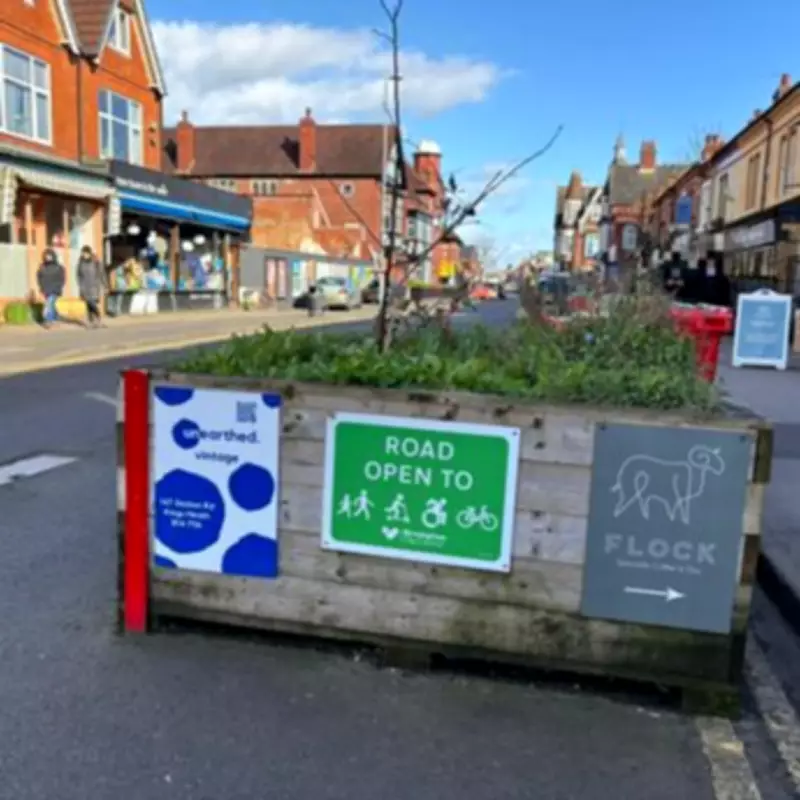
The controversial Low Traffic Neighbourhood (LTN) scheme in Birmingham's Kings Heath area is set to be reconsidered once again, following a formal challenge from opposition councillors. The scheme, which aims to reduce through-traffic in residential streets using modal filters, has deeply divided the community.
Background of the LTN Scheme
The LTN project in Kings Heath has been a source of intense debate since its inception. Supporters argue that it reduces traffic in residential areas, making streets safer for walking and cycling while also tackling air pollution. Opponents, however, raise concerns about accessibility, business operations, and increased journey distances for some properties.
So far, modal filters have been installed to the west of Kings Heath High Street, and a section of York Road has been pedestrianised. However, the Labour-run Birmingham Council recently announced that the second phase of the scheme required revisions, with a new focus on deterring rather than restricting vehicular traffic.
Community Reaction
The revision sparked anger among some residents. One local mother described the collapse of the original scheme as "deeply frustrating" and claimed that children's lives were being put at risk. The council's cabinet approved the revised proposals in March, but two Liberal Democrat councillors challenged the decision through a call-in request.
Transport Committee Review
The transport committee considered the call-in earlier this month. Chair Councillor David Barker confirmed that the committee voted to refer the decision back to the cabinet on several grounds, including inconsistency with other policies, insufficient community consultation, controversy surrounding the scheme, and lack of clarity. As a result, the cabinet will reconsider the revised approach on Tuesday, April 28.
Council's Response
Ahead of the meeting, the council addressed the committee's concerns. It argued that the decision does not conflict with the Birmingham Transport Plan or the Road Harm Reduction Strategy, as these policies allow for various methods to reduce traffic and improve active travel conditions. The council also acknowledged the project's contentious nature and pledged to engage the community as revised designs are developed.
Councillor Majid Mahmood, Labour cabinet member for transport, defended the revisions. He stated that the council had to step back and consider a different approach for the area east of the high street. He recognised the strength of feeling in the community and expressed hope that the new approach would move the project forward. The council emphasised that the current decision is not to approve final designs but to seek approval for a revised approach, with further consultations and approvals to follow.