The Driver and Vehicle Standards Agency (DVSA) has confirmed a significant change to MOT testing rules, effective from June 1, 2026. Under the new regulations, zero emission goods vehicles with a design gross weight (DGW) between 3,501kg and 4,250kg will be reclassified as Class 7 vehicles, requiring a Class 7 MOT test.
Key Changes for Zero Emission Goods Vehicles
From 1 June 2026, these vehicles will need to undergo their first Class 7 MOT test three years after their registration date. The DVSA stated: "From 1 June 2026, zero emission goods vehicles with a design gross weight (DGW) between 3,501kg and 4,250kg will be classed as a Class 7 vehicle and need to have a Class 7 MOT test."
Background and Survey Results
In 2023, the DVSA conducted a survey of all Class 7 testing stations to assess their equipment capabilities. The results showed that 80% of respondents had a hoist, with 18% having a safe working load (SWL) of 3,500 to 4,000kg, 3% with a SWL of 4,001 to 4,250kg, and 79% with a SWL greater than 4,250kg. Additionally, 20% of respondents had a pit. These findings supported the legislative change to allow zero emission goods vehicles in this weight range to be tested as Class 7 vehicles.
Impact on HGV Testing Stations
This change is expected to increase capacity at HGV testing stations and encourage the adoption of zero emission vehicles in haulage fleets. These vehicles are similar in size to current Class 7 vehicles, with the only difference being the additional weight of the battery.
Definition of Zero Emission Vehicles
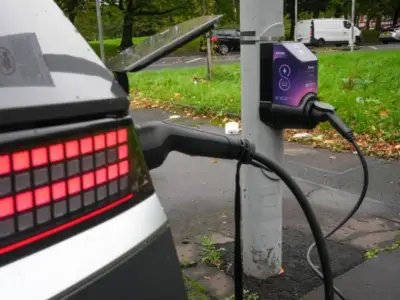
A zero emission vehicle is defined as one without an internal combustion engine, or with an internal combustion engine that emits zero grams of CO2 per kilometre. This definition excludes hybrid vehicles of any kind, including range extenders that use diesel, petrol, or LPG internal combustion engines for drive or battery charging.
Testing Requirements and Standards
Class 7 testing stations must accept zero emission goods vehicles between 3,500kg and 4,250kg DGW. All current test standards apply, with the addition of speed limiters as detailed in section 7.10 of the inspection manual. Notably, the minimum tread depth requirement for these vehicles will change from 1mm to 1.6mm, aligning with current Class 7 vehicles. Testers must familiarise themselves with the manual before conducting MOT tests.
Weight Considerations
If a vehicle is presented fully or partially laden and its weight is uncertain, testers can request evidence of its weight from the presenter or measure the weight using an ATL brake tester. If the vehicle's presented weight means it cannot be safely tested, the test should be declined, and the presenter may unload the vehicle for safe testing.
This regulatory update aims to streamline MOT testing for zero emission goods vehicles and support the transition to cleaner transport.