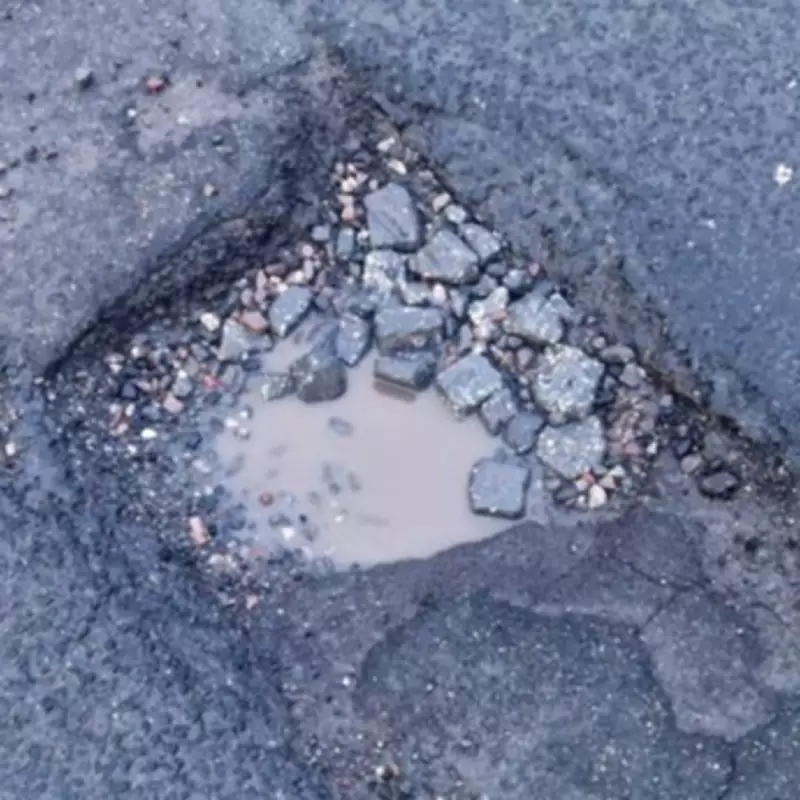
Britain is grappling with a severe pothole crisis, with roads deteriorating rapidly due to harsh winter conditions. Across the West Midlands, countless routes are riddled with deep craters, turning routine journeys into hazardous undertakings for motorists.
Rising Frustration Leads to DIY Solutions
Frustrated taxpayers, tired of waiting for official repairs, are increasingly taking matters into their own hands. Many are resorting to erecting homemade warning signs, painting markings directly onto the road surface, or covering dangerous holes with traffic cones and other objects. While these actions are driven by a desire to protect fellow drivers, they carry significant legal risks.
Legal Experts Warn of Substantial Penalties
Motoring specialists caution that such well-intentioned efforts could result in £100 on-the-spot fines and potential prosecution. Graham Conway, managing director at Select Car Leasing, explains the legal stance clearly.
"On a public road, only the highway authority or someone they authorise may place traffic signs or traffic-control devices," Conway states. "Erecting your own pothole warnings for other motorists, or doing anything that interferes with the highway, could see you being fined and prosecuted."
Multiple Offences Under the Highways Act
Conway outlines several specific violations that could lead to charges:
- Homemade signs may dangerously obstruct lines of sight if positioned incorrectly
- Signs attached to private property could result in fly-posting charges
- Spray painting roads constitutes criminal damage
- Unauthorised interference with a road is a criminal offence under the Highways Act 1980
- Placing traffic cones in potholes contravenes the same legislation and poses risks to other road users
Official Advice for Concerned Motorists
Rather than taking direct action, drivers are advised to exercise caution when navigating pothole-ridden roads and report dangerous defects through official channels. While the temptation to mount protests against deteriorating infrastructure is understandable, the potential consequences make alternative approaches more prudent.
The situation highlights the tension between public safety concerns and legal restrictions, as communities across the West Midlands contend with increasingly problematic road conditions that show no immediate signs of improvement.