Wolverhampton Council Allocates £10 Million for Major Road Resurfacing Project
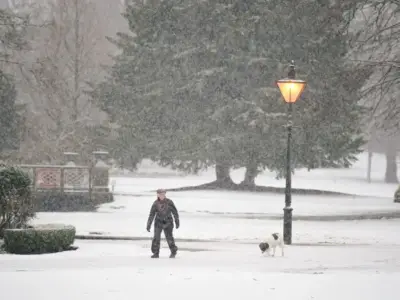
In response to the severe winter weather that has battered roads across Wolverhampton, the City of Wolverhampton Council has committed a substantial £10 million investment to overhaul the local highway network. This funding is part of the Highway Capital Programme, designed to implement long-term preventative improvements and reduce the need for frequent emergency repairs.
24/7 Repair Operations and Proactive Measures
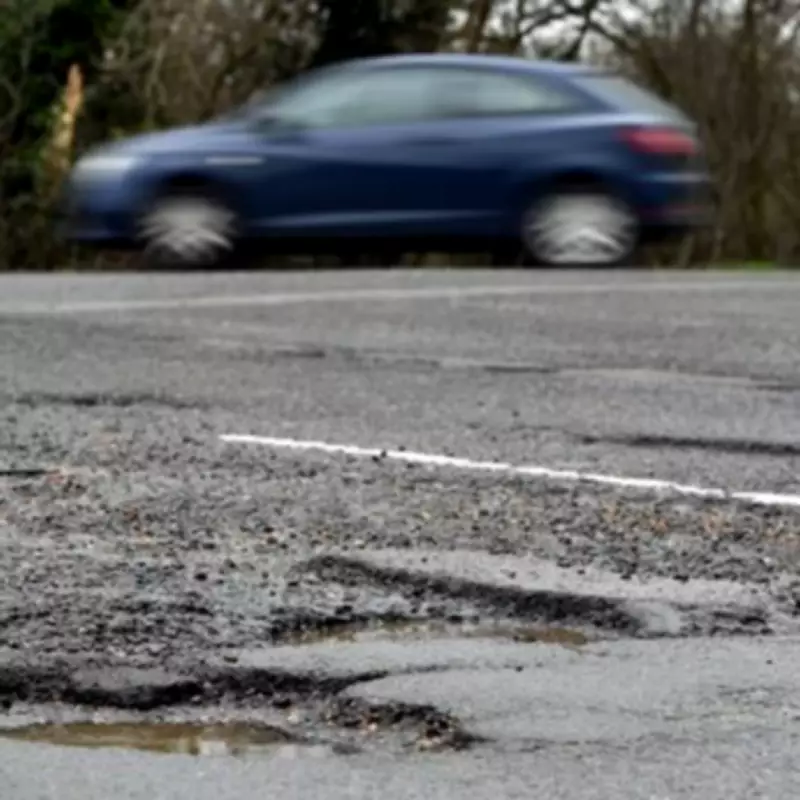
The council has been operating a round-the-clock repair initiative to address hundreds of potholes filled each week. Councillor Qaiser Azeem, cabinet member for city transport, emphasized the challenges posed by winter conditions, stating that teams are working tirelessly to maintain network safety. "While reactive repairs are necessary, we are heavily investing in measures to prevent potholes from forming," he explained. This proactive approach includes resurfacing and other surface treatments that have already been carried out extensively.
Comprehensive List of Roads Scheduled for Resurfacing
The £10 million investment will target 61 specific roads for resurfacing and surface treatments over the next 12 months. Key roads included in the 2026/27 programme are:
- Ring Road St George’s (Westbound) roundabout Bilston Rd to Snow Hill
- Stafford Road Three Tuns Lane roundabout
- Wobaston Road/Droveway
- Chapel Ash Island
- Mander Street
- Price Street
- Connaught Road
- Penn Street
- Moore Street and Cross Street
- Springvale Avenue
Additional notable roads such as Landsowne Road, Great Hampton Street, Penn Road, and Stafford Street are also slated for improvements. The full list encompasses various locations across Wolverhampton, aiming to enhance road conditions citywide.
Broader Highway Improvements and Historical Context
Beyond road resurfacing, the Highway Capital Programme includes upgrades to footpaths, street lighting, and car parks. The council has a strong track record, having resurfaced or treated 560 square kilometers of carriageway in the past five years. Last year’s £9.7 million programme successfully revitalized roads like Cannock Road, Neachells Lane, Wellington Road, and Lichfield Street in Bilston.
The current programme is set to go before the cabinet for approval on February 18. This investment is expected to prolong the life of Wolverhampton’s roads, ensuring a safer and more efficient transport network for all residents and visitors.