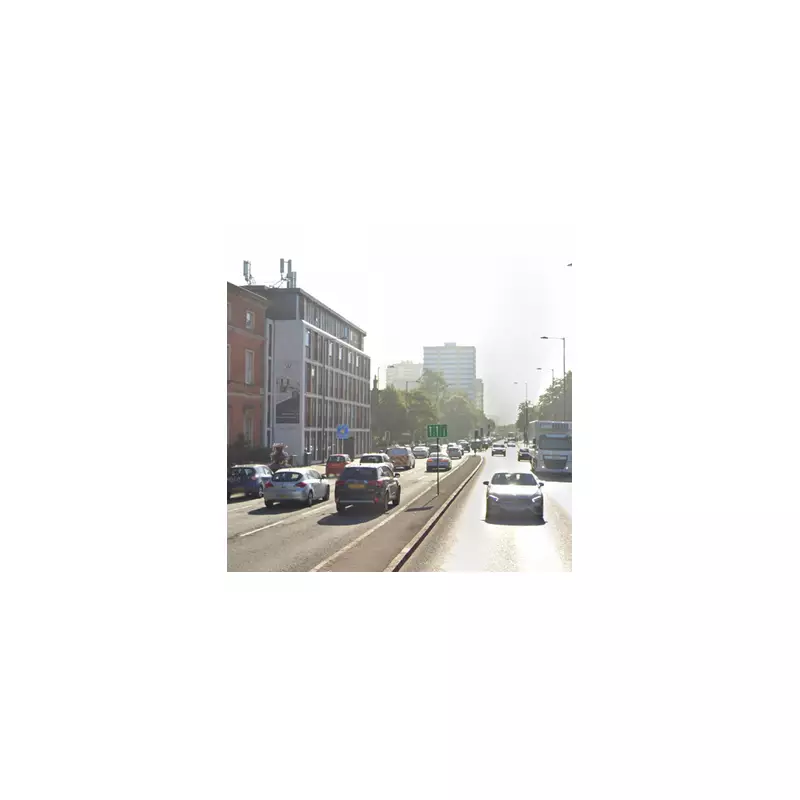
Birmingham is set for a significant transformation of its road network in the new year, with authorities implementing sweeping changes designed to enhance safety and reduce accidents.
Comprehensive Speed Limit Reductions
The most substantial change involves reducing speed limits on 27 main roads across the city. These routes, previously with a 40mph limit, will now have a maximum speed of 30mph. A council representative stated that this means virtually all roads in Birmingham will now have a 30mph maximum limit.
This initiative is a core part of the council's Road Harm Reduction strategy, which aims to drastically cut the number of deaths and serious injuries on the city's roads. The changes are expected to be fully implemented later in the year.

New Enforcement Measures
Alongside the lower speed limits, a new wave of enforcement technology is being rolled out to ensure compliance. This includes the installation of average speed cameras on six key routes throughout Birmingham.
Furthermore, drivers will need to be aware of additional surveillance. The council is also introducing:
- New cameras to enforce banned turns at specific junctions.
- Red light cameras to catch drivers who fail to stop at signals.
New signage will be installed in the coming months to alert motorists to these changes.
Official Statement and Driver Warning
Cllr Majid Mahmood from Birmingham City Council emphasised the importance of the new measures. "Together we must do whatever it takes to make roads safer for everyone," he said. "Working with our police partners, swift and decisive action will be taken against those who break the rules of the road. Driving is a privilege not a right."
The message for Birmingham's drivers is clear: prepare to adjust your driving habits. Those who break the new rules risk fines and penalty points on their licences. With these changes coming into force in 2026, the city's roads are poised to become slower, but potentially much safer, for everyone.