Diesel vehicle owners across Britain could soon be paying significantly more to use the roads under new government plans being developed by Chancellor Rachel Reeves.
The Pay-Per-Mile Proposal
Analysis from financial research firm NimbleFins reveals that diesel drivers currently face costs between 13p and 16.3p per mile depending on their engine size. The research shows a clear pattern: vehicles with larger engines consume more fuel and therefore cost more to operate per mile travelled.
According to the data, drivers of diesel cars with engines up to 1600cc pay approximately 13p per mile, while those with engines between 1601cc and 2000cc face costs of 14.2p per mile. The most expensive category, vehicles over 2000cc, incurs costs of 16.3p per mile, bringing the average to around 15p.
Electric Vehicle Taxation Shift
The Chancellor's proposed scheme, expected to be announced in the upcoming Budget and potentially implemented from 2028, represents a fundamental shift in how road users are taxed. Currently, petrol car drivers pay an average of £600 annually in fuel duty, which effectively functions as a distance-based tax.
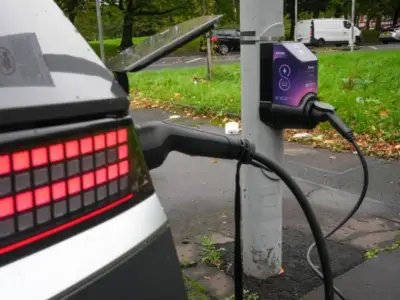
In contrast, electric vehicle owners pay no similar levy, creating what some describe as an unfair system. Ms Reeves' solution, first revealed by The Telegraph, would introduce a 3p per mile charge for electric car drivers, costing them approximately £250 per year on average.
Industry Reaction and International Precedent
The proposed changes have already sparked controversy behind the scenes. One source told The Telegraph: "When Labour is giving money through grants on the one hand and then taking it back through the other with a pay-per-mile tax, I think people will see this isn't joined up thinking."
The source added that the move "just looks like they are trying to plug gaps in tax revenue."
International evidence suggests that such schemes can significantly impact consumer behaviour. In New Zealand, the announcement of a similar pay-per-mile scheme saw sales of fully electric and hybrid vehicles drop from nearly 70% of new vehicle sales in December 2023 to under 50% by April 2024.
The NimbleFins analysis also highlighted the substantial cost difference between traditional fuel vehicles and electric alternatives, noting that running petrol or diesel cars is 50% to 90% more expensive per mile than operating an electric vehicle, even when using a regular electricity tariff.