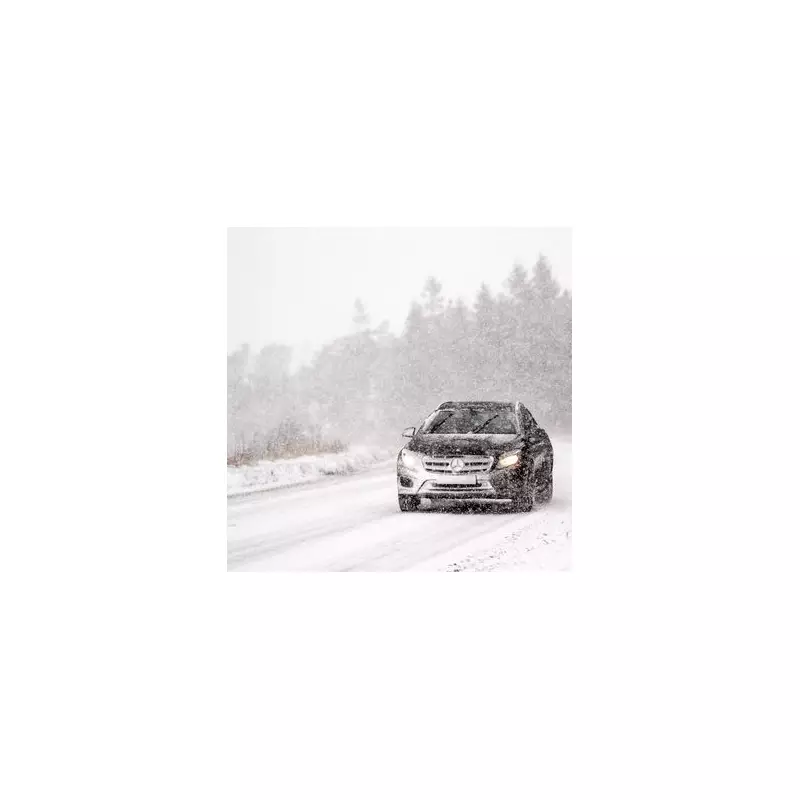
UK drivers are being issued a critical safety warning as temperatures are forecast to plummet to a bitter -7°C this week. While reaching for the heater seems instinctive, experts reveal this common practice could lead to dangerous drowsiness and potentially unlimited fines.
Met Office Issues Icy Weather Alert
The Met Office has activated an 11-hour yellow weather warning from midnight until 11 am on Wednesday, November 19. The alert covers the West Midlands, where residents can expect icy roads and hill snow.
"Outbreaks of rain will spread southwards on Tuesday night into Wednesday morning, potentially falling as snow on hills for a time, before clearing to the south," a Met Office spokesperson stated. "As skies clear later, allowing temperatures to fall close to or below freezing, this will bring the risk of icy patches on untreated surfaces."

The Hidden Danger of Your Car Heater
Car insurance specialists at Tiger.co.uk are urging motorists to use their vehicle's heating system wisely. While essential for comfort, prolonged use can create significant risks.
Driving with the heater on full blast for extended periods can raise body temperature and reduce oxygen levels inside the cabin. This combination induces fatigue and creates a false sense of comfort, which directly impairs reaction times and concentration.
Ian Wilson, Managing Director and car insurance expert at Tiger.co.uk, explained: "As temperatures plummet, many of us blast on the heating as soon as we get into the car to help combat the chill, but too much heat, especially with the air recirculating, can make you feel drowsy far quicker than you realise."
"It might feel cosy, but that warm, still air can reduce oxygen levels and slow your reflexes, which is dangerous behind the wheel."
Severe Legal and Safety Consequences
The consequences of drowsy driving can be severe. Although there isn't a specific offence for fatigue in The Highway Code, it can be prosecuted as careless or dangerous driving.
Convictions can result in:
- An unlimited fine
- Three to 11 penalty points on your licence
Alarmingly, police cannot test for fatigue like they can for alcohol or drugs, meaning incidents are significantly under-reported. Global estimates suggest that between 10% and 20% of all road crashes are fatigue-related.
Driving while drowsy impairs reflexes and decision-making to a level comparable with driving under the influence of alcohol. When combined with other winter hazards like icy roads and earlier darkness, the risk of serious accidents increases dramatically.
Wilson offers practical advice for staying safe: "Keeping the temperature balanced, cracking a window for ventilation, and taking breaks on longer journeys are simple ways to help stay alert and safe this winter."