DVLA Letters Demand New £200 Car Tax Payment from Motorists
Motorists across the United Kingdom are now receiving official letters from the Driver and Vehicle Licensing Agency (DVLA) demanding increased vehicle excise duty payments. The new tax rates, which came into force at the start of April, require most drivers to pay £200 annually—a rise of £5 from the previous charge.
Higher Charges Apply to Most Vehicles Registered After 2017
The updated vehicle excise duty rates specifically impact cars registered after 2017, with the standard charge now set at £200 per year. Brand new vehicles may be subject to lower first-year charges, but the majority of motorists will need to budget for this increased expense when renewing their car tax.
According to the RAC, "Road tax rates are automatically adjusted by the Government in line with inflation each year." This annual adjustment means that drivers of cars originally costing over £40,000 will face even higher charges, paying up to £640 annually for their vehicle tax.
Electric Vehicle Owners Now Face Car Tax Charges
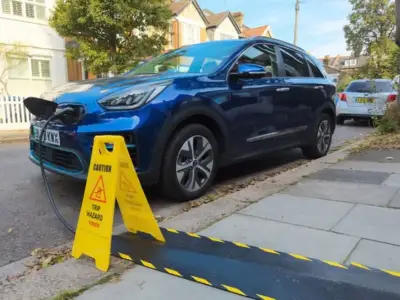
In a significant policy shift, electric vehicle owners are no longer exempt from vehicle excise duty and must now pay the standard car tax charges. This change comes ahead of more substantial reforms planned for the taxation of electric vehicles.
The Government has announced that a new pay-per-mile tax system will be implemented for electric cars starting in 2028, which will operate alongside the standard vehicle duty. Officials claim this dual approach will create a fairer taxation system for all motorists, regardless of their vehicle type.
What Motorists Need to Know About the Changes
Drivers who are due to renew their car tax will receive DVLA letters specifying the new payment amounts. The £200 charge represents the baseline for most vehicles, with variations based on:
- Vehicle registration date (post-2017)
- Original purchase price of the car
- Vehicle type and emissions rating
- Electric vehicle status
These tax increases come as part of broader governmental adjustments to transportation funding and environmental policies. Motorists are advised to check their DVLA correspondence carefully and budget accordingly for the higher vehicle excise duty payments now in effect.