The Labour government has broken its silence regarding a potential new pay-per-mile car tax, responding directly to questions from Conservative Party members. This development comes just ahead of the highly anticipated Autumn Budget, which is scheduled for November 26.
Parliamentary Question and Government Response
In the House of Commons, Conservative MP Richard Holden pressed the government for an assessment of how a pay-per-mile road pricing system could affect rural motorists, low-income drivers, and small businesses. This query highlighted widespread concerns about the fairness and economic impact of such a scheme.
Responding for the government, Labour's Dan Tomlinson provided a detailed statement. He confirmed that fuel duty is projected to raise £24.4 billion in 2025/26 and will remain a key part of the tax system. He also pointed to support measures already in place, stating, "At Autumn Budget 2024, the Government announced continued support for people and businesses by extending the temporary 5p fuel duty cut and cancelling the planned increase in line with inflation for 2025/26."
Tomlinson concluded by noting that the Chancellor regularly meets with ministerial colleagues and that the government keeps the entire tax system under review, with any changes announced at official fiscal events.
Political Reactions and Wider Tax Implications
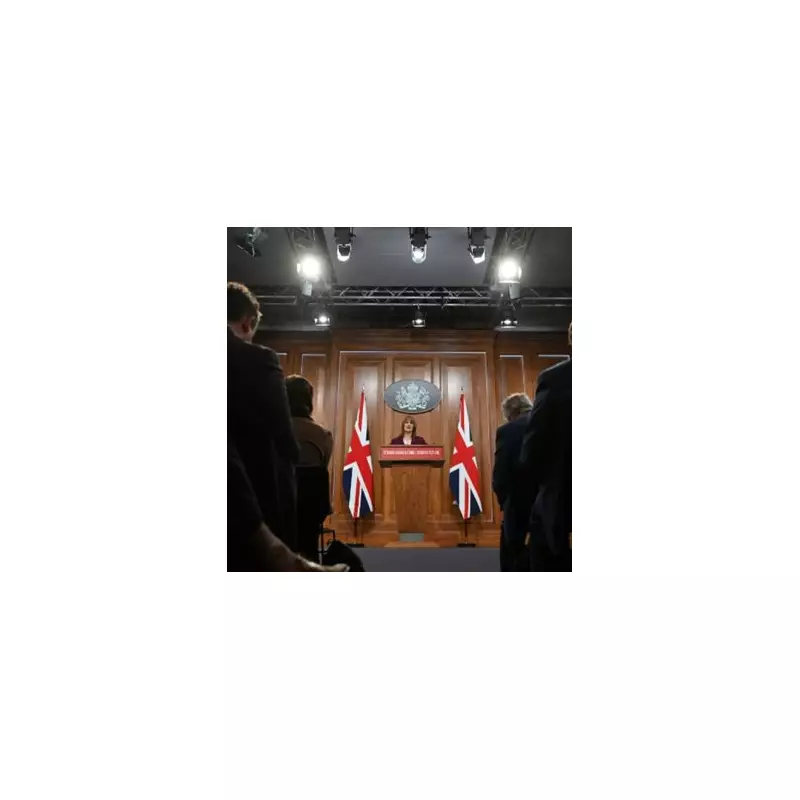
The opposition was quick to criticise the potential new levy. Shadow chancellor Sir Mel Stride issued a stark warning, declaring, "If you own it, Labour will tax it." He argued that it would be wrong for Chancellor Rachel Reeves to target commuters and car owners simply to fill a financial black hole in the public finances.
"With Labour’s cost of living crisis, now is not the time to hit hard-working families and businesses with another tax raid," the Tory MP added.
If introduced, the pay-per-mile charge would apply to the UK's 1.3 million electric vehicle (EV) drivers, who currently pay little or no road tax, bringing them into the tax system alongside drivers of petrol and diesel cars.
Other Expected Changes in Vehicle Taxation
The Autumn Budget is also expected to address other areas of motoring taxation. There is speculation that the Chancellor may end a freeze on fuel duty that has been in place since 2011, where it has remained at 57.95p per litre.
Furthermore, it is anticipated that Vehicle Excise Duty (VED), commonly known as car tax, will increase. Rates are expected to rise in line with the Retail Price Index (RPI) inflation from April 2026. This could see the standard annual car tax rate increase from its current level of £195.
All eyes are now on the Treasury as the nation awaits the official announcements in the Autumn Budget on November 26.