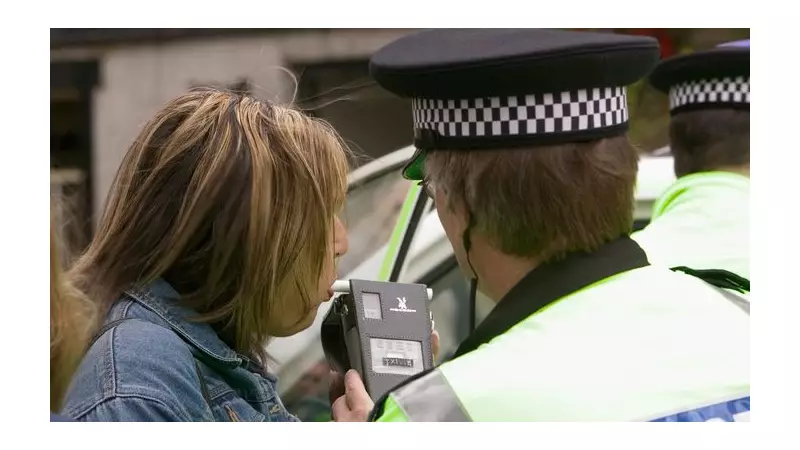
The festive season is a whirlwind of office parties and New Year's Eve celebrations, where alcohol often flows freely. However, a stark warning has been issued to revellers: the fun from the night before could lead to a serious driving offence the next morning.
The Hidden Danger of the 'Morning After'
While the party may end at midnight, the alcohol in your system does not disappear as quickly as you might hope. This leaves countless drivers at risk of unknowingly being over the legal limit when they get behind the wheel the next day. With this in mind, experts at National Scrap Car are urging extreme caution, highlighting the very real risks of fines, penalty points, and causing a serious accident.
Christmas Day itself amplifies the problem, with drinking levels soaring. Research indicates that 57% of Brits admit to binge drinking on Christmas Day, significantly increasing the likelihood of still being impaired the following morning.

How Long Should You Really Wait?
The body processes alcohol at a steady rate, and only time can sober you up. Based on average metabolism, here is a rough guide to when it might be safe to drive after common festive drinks:
- Five medium glasses of wine or five pints of lager (approx. 10 units): Requires a wait of roughly 12.5 hours. If you stopped at midnight, you should not drive until about 12:30pm.
- Three margaritas (approx. 9 units): Needs an average 10-hour wait, making 10am the earliest potential safe time.
- Three double gin and tonics (approx. 9 units): Requires around 9 hours, pushing safe driving to approximately 9am.
- Four glasses of champagne (approx. 6 units): Takes about seven hours to clear from your system.
Experts stress these are averages, not guarantees. Dorry Potter, a motoring expert at National Scrap Car, explains: "The rate at which alcohol leaves your bloodstream is unique to every individual." It depends on your size, gender, what you've eaten, and your metabolism.
Myths and Crucial Legal Warnings
Potter debunks common sobering-up myths. "While caffeine, or even a cold shower, might make you feel more alert, it does not speed up the rate at which your liver processes alcohol," she states. She also warns that a hearty breakfast is ineffective for alcohol already in your system. "Eating a meal only slows the absorption of alcohol when you are drinking. It does nothing to eliminate alcohol from the night before."
Even small amounts of alcohol can be dangerous. "Even low levels can impair your reaction times, concentration, and judgement," Potter adds.
The advice is clear: "If you were drinking the night before, you should always err on the side of caution. If you've been drinking heavily, the safest advice is to avoid driving entirely the next day, or at least until the evening."
A particularly severe warning involves sleeping it off in your car. Being over the limit while sleeping in a vehicle can count as being 'in charge' of it, an offence that carries a potential fine of up to £2,500. With one in five drink-driving accidents occurring in the morning, the risks are simply too high to ignore.