Chancellor Rachel Reeves Confirms Significant Vehicle Tax Increases for 2026/27
Chancellor Rachel Reeves has officially announced the latest vehicle tax charges for the 2026/27 financial year, introducing substantial increases that will impact many motorists across the country. The new rates confirm that drivers of certain high-value cars will face significantly higher tax bills, with some owners required to pay up to £640 annually.
Luxury Car Tax Targets Expensive Vehicles
The increased charges specifically target more expensive vehicles, applying to cars that originally cost over £40,000 when new. For electric vehicle owners, the threshold is slightly higher at £50,000. This additional levy, commonly referred to as a 'luxury' car tax, represents a considerable financial consideration for those purchasing new vehicles in these price brackets.
The standard vehicle tax rate has also risen by £5 to £200 as part of annual adjustments linked to inflation. This increase affects the majority of drivers, but those with premium vehicles will bear the brunt of the additional financial burden.
Electric Vehicles Lose Tax Exemption
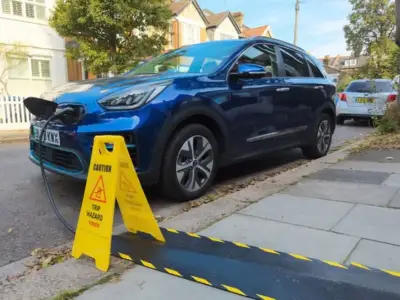
Notably, electric vehicle drivers now face vehicle tax charges after losing their previous exemption status last year. This change means EV owners with vehicles valued over £50,000 will join traditional car owners in paying the luxury car tax, marking a significant shift in government policy toward electric vehicle taxation.
The RAC has provided clarification on the annual adjustments, stating: "Road tax rates are automatically adjusted by the Government in line with inflation each year. This means most drivers will pay £200 a year for car tax from April 1, while those with a car that cost over £40,000 when new will pay up to £640."
Financial Implications for Motorists
The confirmed charges mean:
- Standard vehicle tax increases to £200 for most drivers
- Additional £400+ luxury tax for cars originally costing over £40,000
- Electric vehicles over £50,000 now subject to vehicle tax
- Maximum annual charge of £640 for premium vehicle owners
These changes represent a considerable cost increase that motorists must factor into their vehicle ownership expenses, particularly affecting those considering purchasing new luxury or electric vehicles in the coming year.