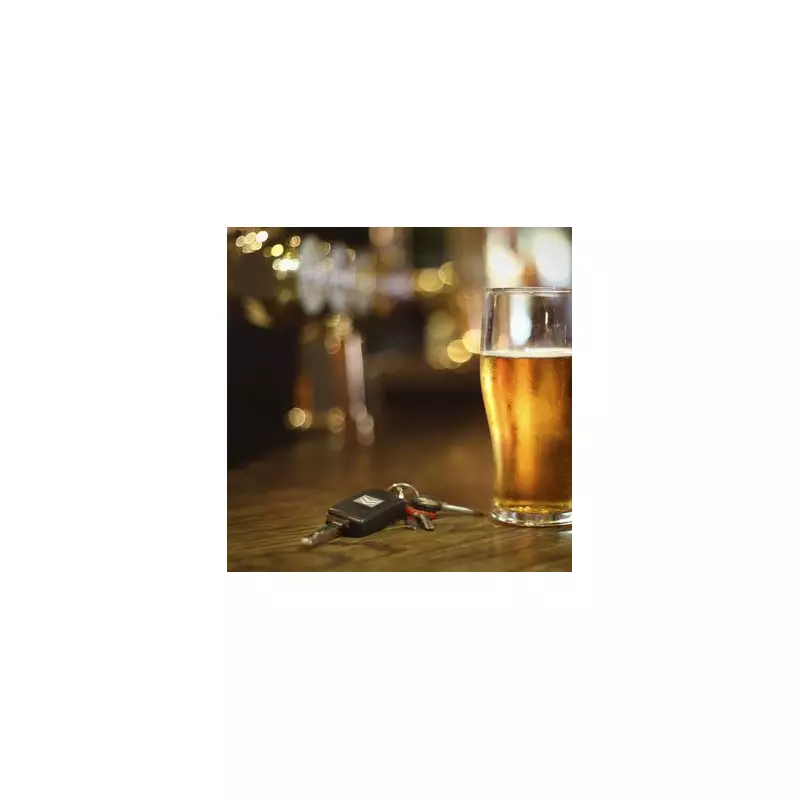
Drivers across England and Wales are being issued a stark warning: consuming just one alcoholic drink could soon be enough to put them over the legal limit for driving.
Government Slashes Legal Alcohol Limit
The UK Government is preparing to announce a major change to drink-driving laws as part of a new road safety strategy on Wednesday, 7th January 2026. The current limit of 35 micrograms of alcohol per 100 millilitres of breath in England and Wales is set to be cut to 22 micrograms.
This new, lower limit will bring England and Wales into line with the law that has been in place in Scotland for some time. The move is a direct attempt to reduce the number of fatalities and serious injuries on British roads.

Why a Single Drink Could Be Enough
The significant reduction means motorists will not be able to consume as much alcohol before legally getting behind the wheel. Crucially, they will reach the illegal threshold much faster than before.
Road safety experts caution that for many people, just one standard alcoholic drink – whether a pint of beer or a regular glass of wine – might be sufficient to exceed the new 22-microgram limit. This is because the impact of alcohol varies dramatically from person to person.
Factors such as age, weight, metabolism, and even what you have eaten play a crucial role. Due to these individual differences, there is no universally safe amount of alcohol a driver can consume and be certain they are under the limit. Consequently, police advice remains clear: if you are driving, do not drink any alcohol at all.
A Broader Road Safety Crackdown
The revised drink-drive limit is one of several proposed measures designed to cut road deaths. The wider strategy is expected to include other significant changes.
Other key proposals include:
- Mandatory eyesight tests for drivers over the age of 70.
- The introduction of penalty points for seatbelt offences, moving beyond the current fixed-penalty fine system.
A spokesperson for the Lock Out Drink Driving Campaign welcomed the government's commitment. "Today's commitment to a new road safety strategy is a very positive step in the right direction," they said.
"For far too long, governments have shied away from recognising that more needs to be done to protect lives on UK roads. The Government’s decision to consult on preventative technology, such as alcohol interlocks, is the right decision, but it needs to be bold in delivery if it is going to save lives."
The spokesperson highlighted the ongoing tragedy, noting: "Drink-driving continues to have a deeply devastating impact on families and communities across the UK, accounting for 16% of all UK road deaths. This startling number paints a clear picture that the current penalties and offender management are simply not working."