British motorists are set to be monitored more closely under a significant car tax overhaul expected from Chancellor Rachel Reeves in the Autumn Budget on November 26.
The Pay-Per-Mile Proposal
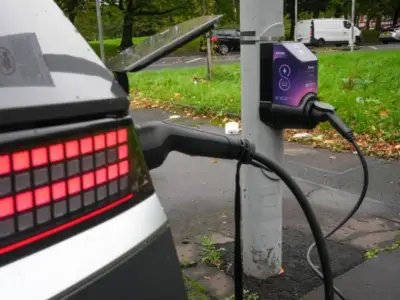
The Labour Chancellor is preparing to introduce a new pay-per-mile tax system, a move that could fundamentally change how drivers are taxed for using UK roads. This high-profile tax initiative, first reported by The Telegraph, would particularly target electric vehicle (EV) owners who currently avoid fuel duty.
Under the proposed scheme, EV drivers would be charged 3p per mile, costing the average motorist approximately £250 per year. This contrasts with typical petrol car drivers who currently pay around £600 annually in fuel duty, which effectively functions as a distance-based tax.
Insurance Implications and Closer Monitoring
The shift to distance-based taxation has raised significant concerns about increased insurance costs and more intensive driver monitoring. Graham Conway, Managing Director at Select Car Leasing, warned that the changes could cause car insurance premiums to skyrocket for millions of drivers.
Mr Conway explained that requiring drivers to declare their annual mileages will likely prompt insurance providers to examine odometer readings "more closely". He stated that the Chancellor's plan is likely to put estimated annual mileages for drivers in the spotlight, describing the shake-up as something that "should set alarm bells ringing for all motorists" regardless of their vehicle type.
Consequences of Underestimating Mileage
The motoring expert issued a stark warning about the risks of attempting to cheat the system. "If you attempt to cheat the system by underestimating your annual mileage to lower your policy cost, you could have your policy voided for 'misrepresentation'", particularly when making a claim.
Mr Conway outlined several potential changes drivers might face:
- More regular odometer checks
- Mid-term premium increases
- Charges for exceeding estimated mileage
- Growing use of black box technology
He strongly recommended that drivers "base mileage estimates on real data" and concluded with a clear message: "Be honest with your annual mileage calculation or prepare to face the consequences."
Supporters of the scheme argue that implementing pay-per-mile for electric vehicles makes sense sooner rather than later, as fuel duty revenues are projected to begin declining significantly towards the end of this decade.